
Hidden among the wooded hills of Cove Neck, right outside of Oyster Bay, Theodore Roosevelt's beloved family home reveals a more personal side of America's 26th president.

There's something wonderfully appropriate about Theodore Roosevelt owning a house on a hill.
Not a small house, either.
Tucked away on Long Island's North Shore, Sagamore Hill is a sprawling, 23-room Victorian residence surrounded by woods, walking trails, and the quiet landscape of Oyster Bay.
Roosevelt spent childhood summers exploring the area, developing an affection for the North Shore that would last his entire life. He loved it enough to purchase 155 acres on Cove Neck and build his family home there in the 1880s.
And when he eventually became president, he apparently decided that leaving his favorite place behind for Washington was an unnecessary inconvenience.
So he brought the presidency to Long Island instead.
The White House, With Better Scenery
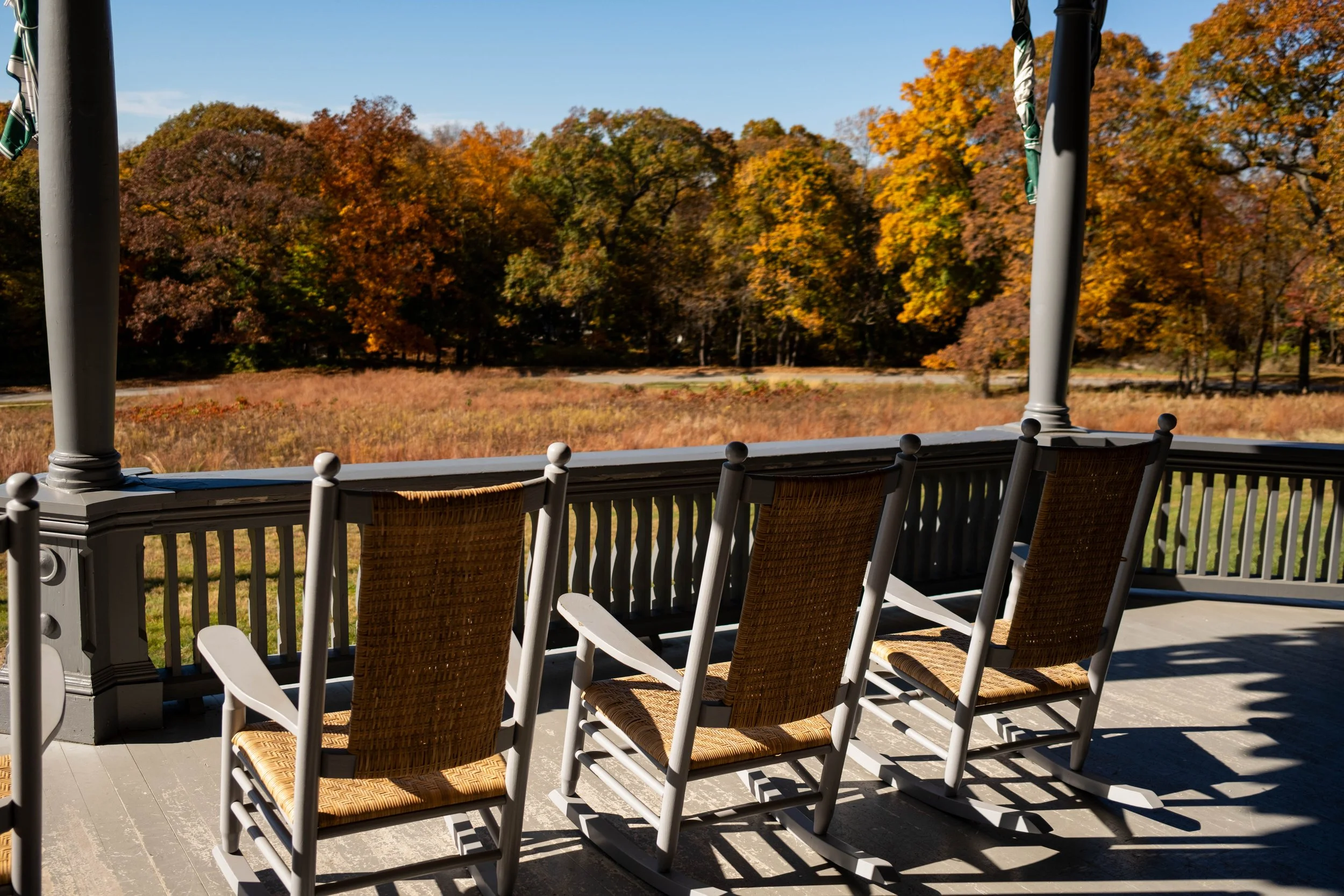
From 1902 through 1908, Sagamore Hill served as Roosevelt's Summer White House, transforming the quiet community of Oyster Bay into an unlikely center of American political power.
Government officials, foreign dignitaries, and journalists descended upon Long Island as presidential business continued from Roosevelt's family residence.
It was a rather convenient arrangement. Roosevelt could run the country without giving up his favorite place to escape it.
Inside, the house is unmistakably Roosevelt.
Books, artwork, hunting trophies, and souvenirs from around the world occupy seemingly every available corner. In 1905, Roosevelt even added the North Room, commonly called the Trophy Room, to accommodate his growing collection.
Apparently, 23 rooms weren't quite enough.
A President, a Farm, and a Pet Badger
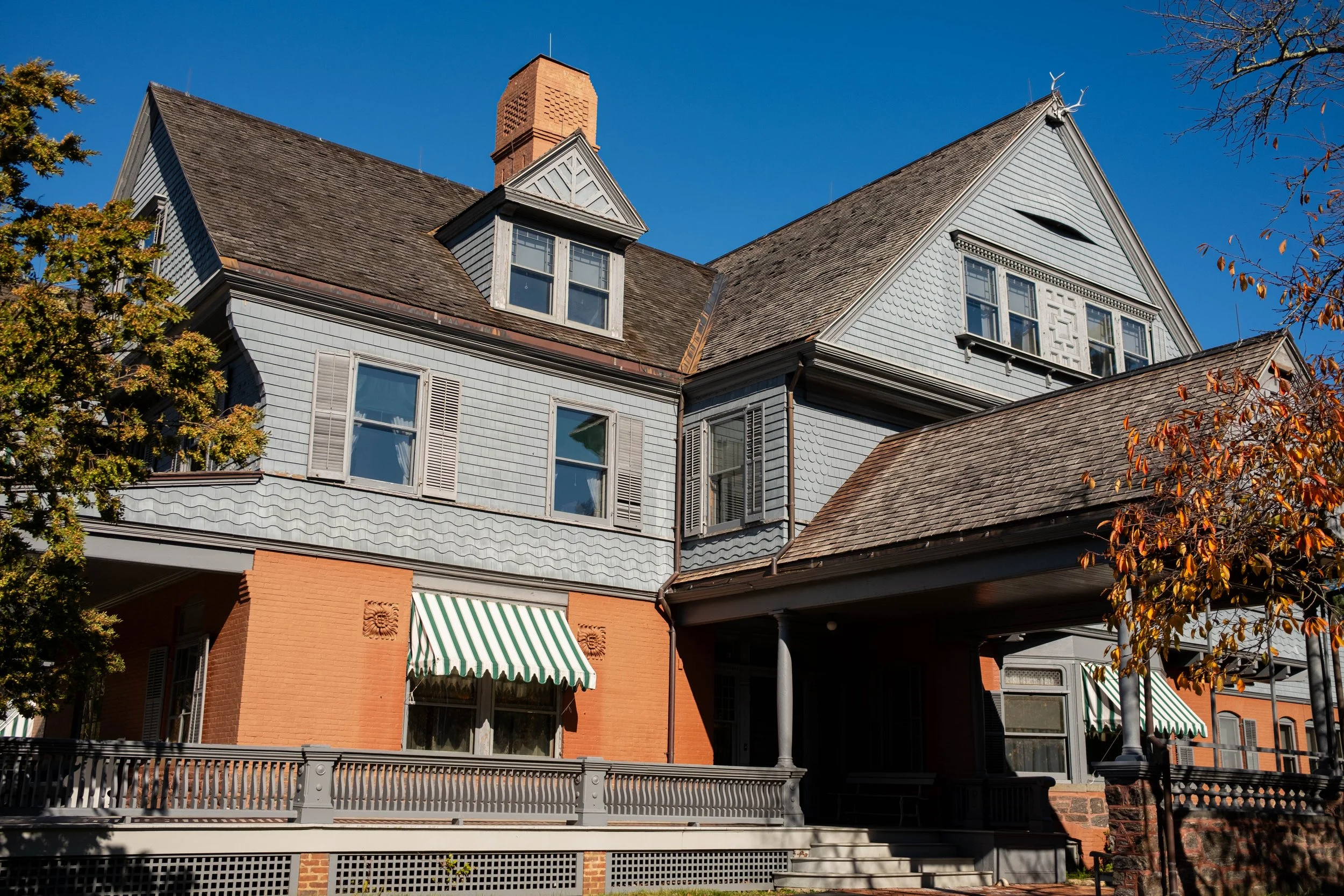
One of Sagamore Hill's lesser-known details is that the estate operated as a working farm, producing agricultural goods and employing farmhands.
Roosevelt occasionally joined the workers himself, particularly during haying season. He reportedly even insisted that his name be recorded on the payroll so he could collect wages for his labor.
The President of the United States, apparently, wasn't above putting in a paid shift.
The household was equally lively.
Roosevelt and his wife, Edith, raised six children, whose collection of pets included dogs, guinea pigs, mice, and even a badger named Josiah.
One suspects maintaining a dignified presidential atmosphere wasn't always particularly easy.
The House He Always Came Back To
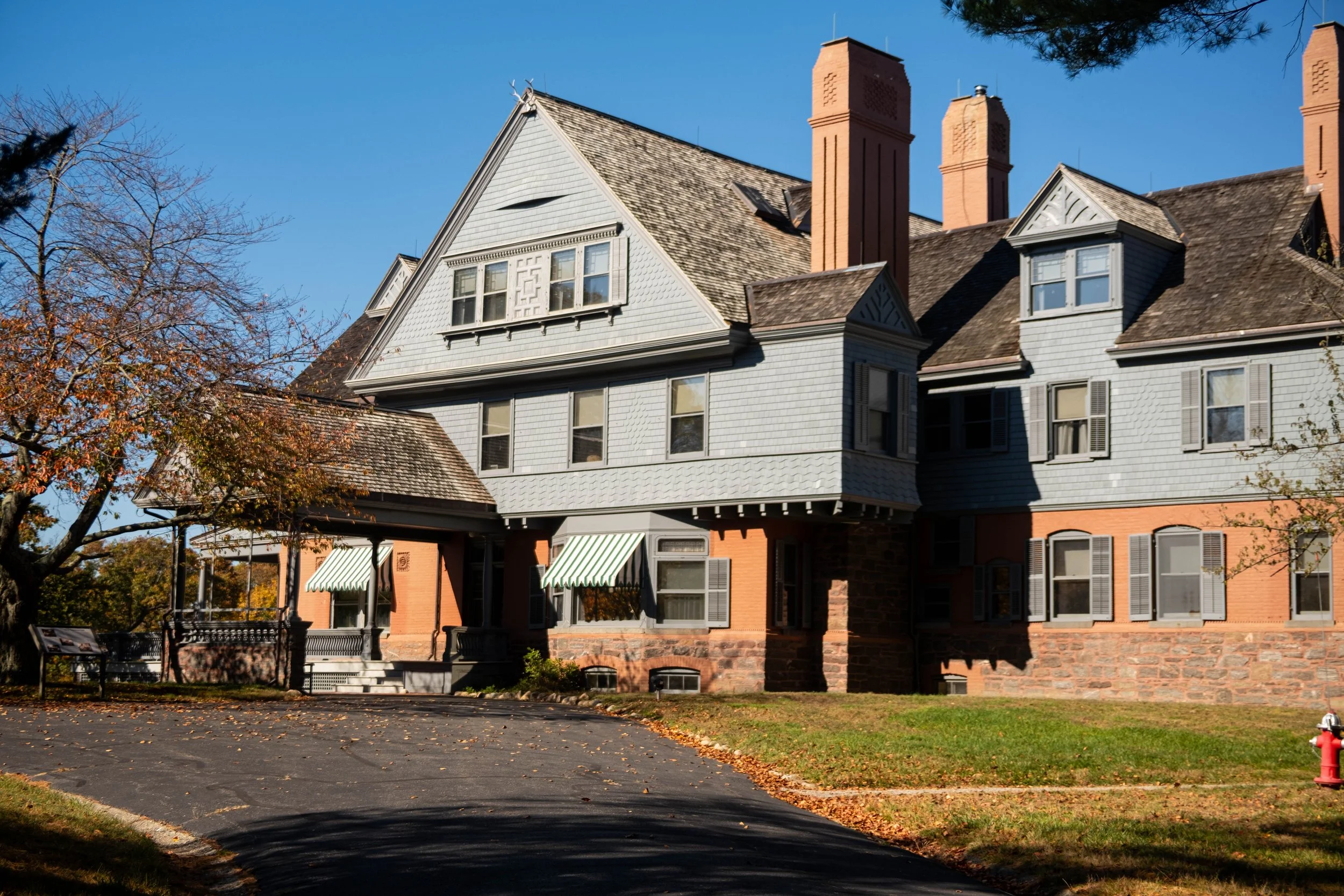
Beyond the residence, wooded trails wind through the property toward the shoreline of Cold Spring Harbor, offering a quieter perspective on Roosevelt's lifelong appreciation for the outdoors.
The landscape helps explain why conservation became such an important part of his presidency. For Roosevelt, nature wasn't simply something to protect from behind a desk. It was something to experience.
Roosevelt died at Sagamore Hill on January 6, 1919, at the age of 60. Today, the property is preserved by the National Park Service, allowing visitors to explore the grounds and tour the historic residence.
There are grander presidential landmarks in America, with larger monuments and considerably more marble.
But Sagamore Hill offers something different.
It tells the story of a man who traveled the world, led the nation, and helped shape American history, yet remained deeply attached to a wooded hillside on Long Island.
He loved Oyster Bay enough to build his home there.
And when he became president, he loved it enough to bring the White House along with him.