
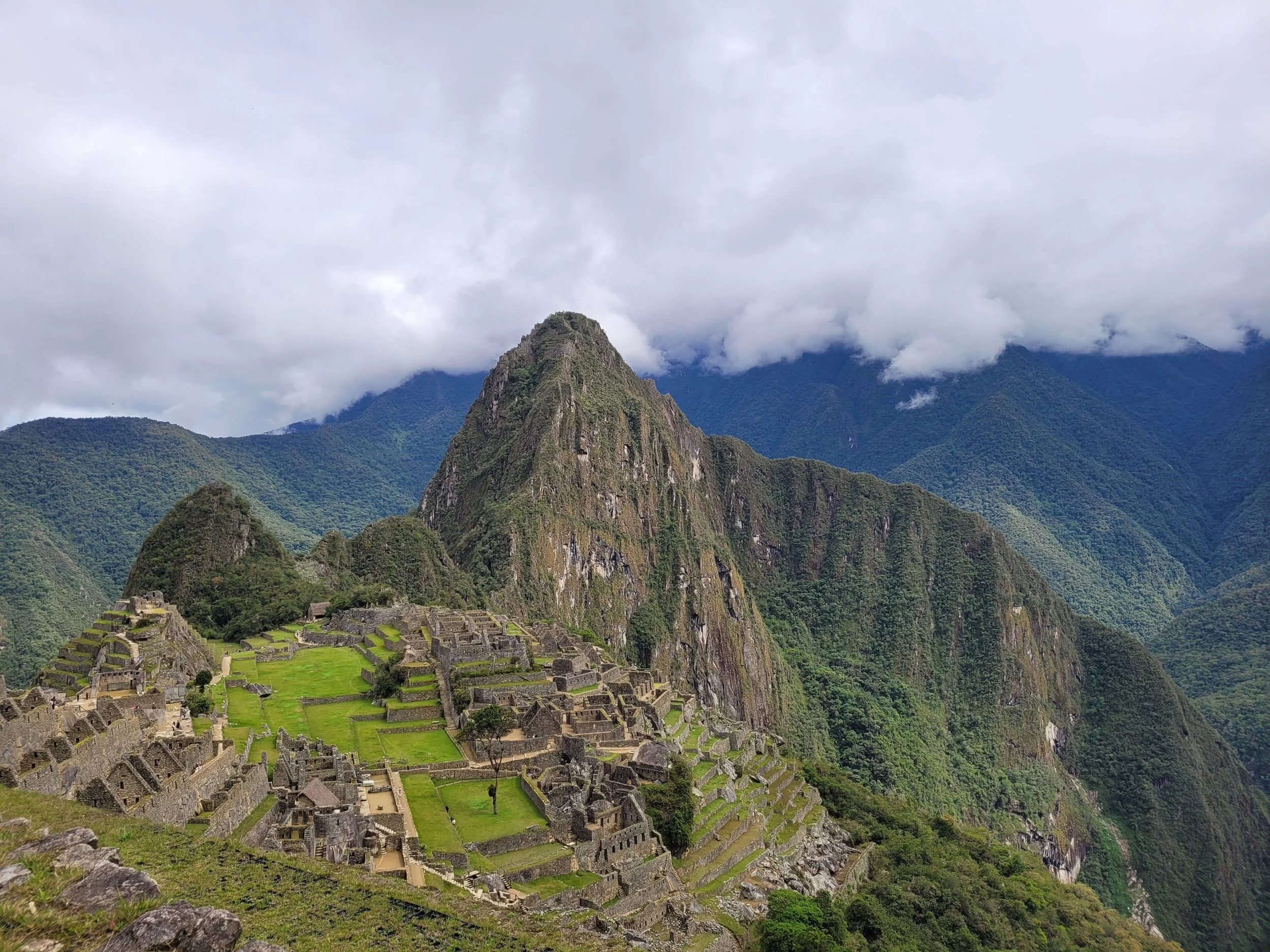
Image: Laura Rudi / Pexels
CUSCO, Peru — Peru is overhauling how visitors purchase tickets to Machu Picchu, introducing stricter payment deadlines and new verification tools following concerns over canceled reservations and limited ticket availability at one of South America's most famous archaeological destinations.
The changes are part of a broader effort to improve access to the UNESCO World Heritage Site while managing the growing demands of tourism and protecting its historic structures.
According to Peru's Ministry of Culture, the reforms are intended to make ticket purchasing more transparent and prevent unpaid reservations from unnecessarily restricting admission availability.
The improvements include a shorter payment window, changes to how reservations are processed, and a new online tool allowing visitors to verify the authenticity of their admission tickets.
Major Changes to How Machu Picchu Tickets Are Sold
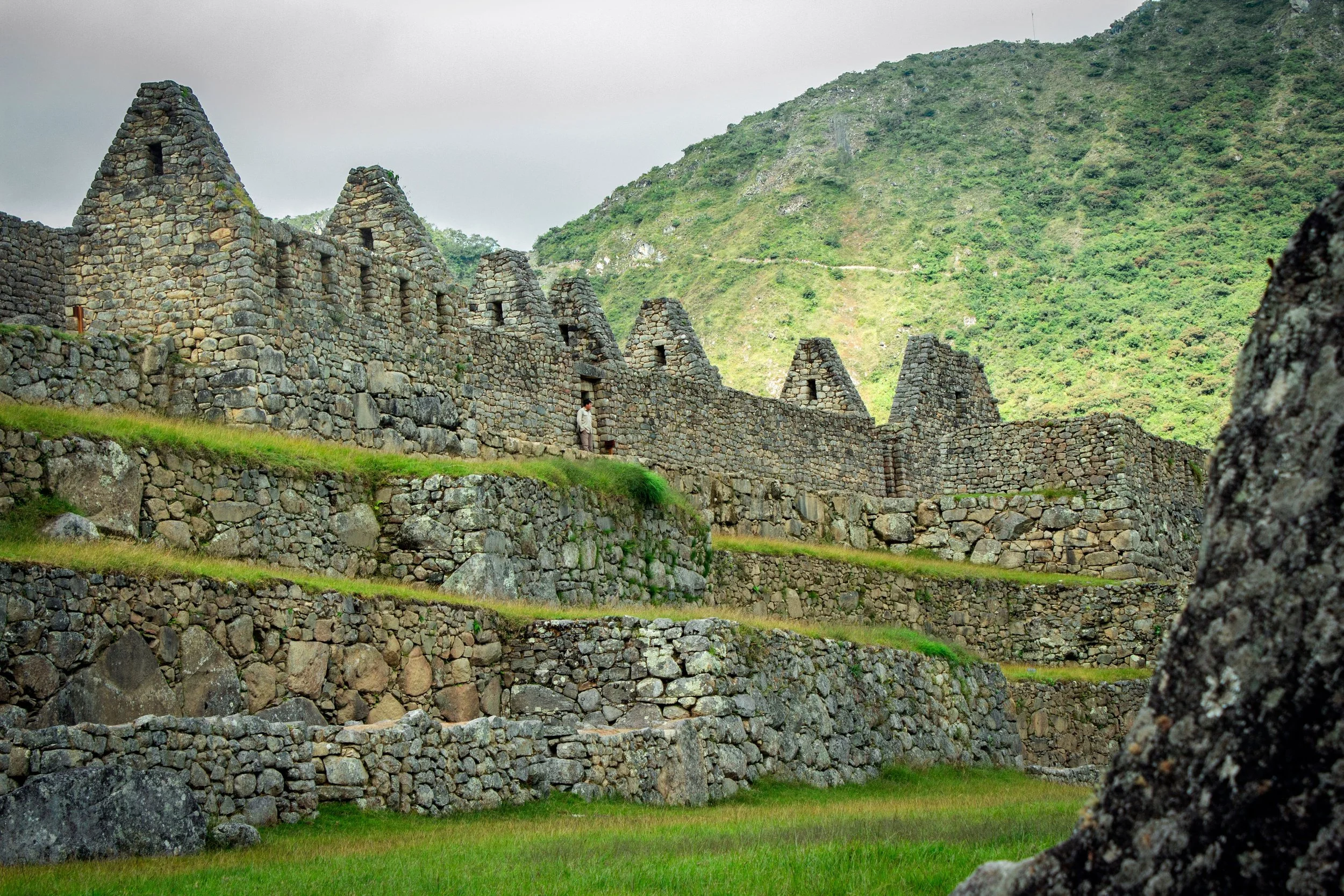
Image: Joaquin Garduno / Pexels
Under reforms announced September 11, Peru's Ministry of Culture replaced its previous three-hour reservation system with a direct-purchase process requiring payment within 15 minutes.
Previously, tickets could be temporarily reserved without immediate payment, removing them from public availability even when the reservation was never completed.
Under the revised system, admission tickets are assigned to visitors only after payment has been successfully confirmed. Tickets that are not purchased within the allotted time become available again.
The changes followed a government audit examining reservation activity involving eight tourism companies.
According to the Ministry of Culture, auditors reviewed 209,051 reservation transactions and found that 131,626, or approximately 63%, had been canceled. Only 73,956 reservations, representing roughly 35%, resulted in completed payments.
The findings raised concerns that large numbers of unpaid reservations were limiting ticket availability for travelers attempting to secure admission.
Officials say the new system is designed to ensure that available tickets are not unnecessarily held by incomplete reservations.
For travelers, the change means being prepared to complete payment promptly when selecting an available admission date and time.
New Online Tool Helps Travelers Verify Tickets

Image: Photo Tours Peru / Pexels
Peruvian authorities have also introduced a new digital service allowing visitors to confirm that their Machu Picchu admission tickets are genuine.
In a November 4 announcement, the Ministry of Culture confirmed that travelers can now verify tickets through the government's official TuBoleto platform.
The service allows visitors to check their admission records using their identification document number along with either their ticket code or scheduled visit date.
The verification system also works for tickets purchased through travel agencies, providing an additional safeguard for international visitors booking excursions through third-party tour operators.
Officials say the service is intended to improve transparency, reduce the risk of fraudulent tickets, and help travelers retrieve admission information when their original ticket is unavailable.
Visitors can access the service through the government's official ticket verification portal.
Machu Picchu Temporarily Increases Daily Visitor Capacity
Separately, Peruvian authorities have authorized a temporary increase in the number of visitors permitted to enter Machu Picchu.
According to a November 12 announcement from the Ministry of Culture's Cusco office, the archaeological site may accommodate up to 5,600 visitors per day from November 16 through November 19, 2026.
The temporary adjustment coincides with Pope Leo XIV's visit to Peru and represents an increase of 1,100 daily admission spaces compared with the usual 4,500-person limit applicable during this period.
However, officials emphasized that the increase is an exceptional measure and does not represent a permanent expansion of the site's visitor capacity.
The additional admission spaces are being distributed across the site's established circuits, routes, and entry schedules under visitor management arrangements used during the 2026 peak season.
Authorities maintain that visitor limits remain essential to protecting the archaeological complex from excessive tourism pressure.
Balancing Tourism With Conservation
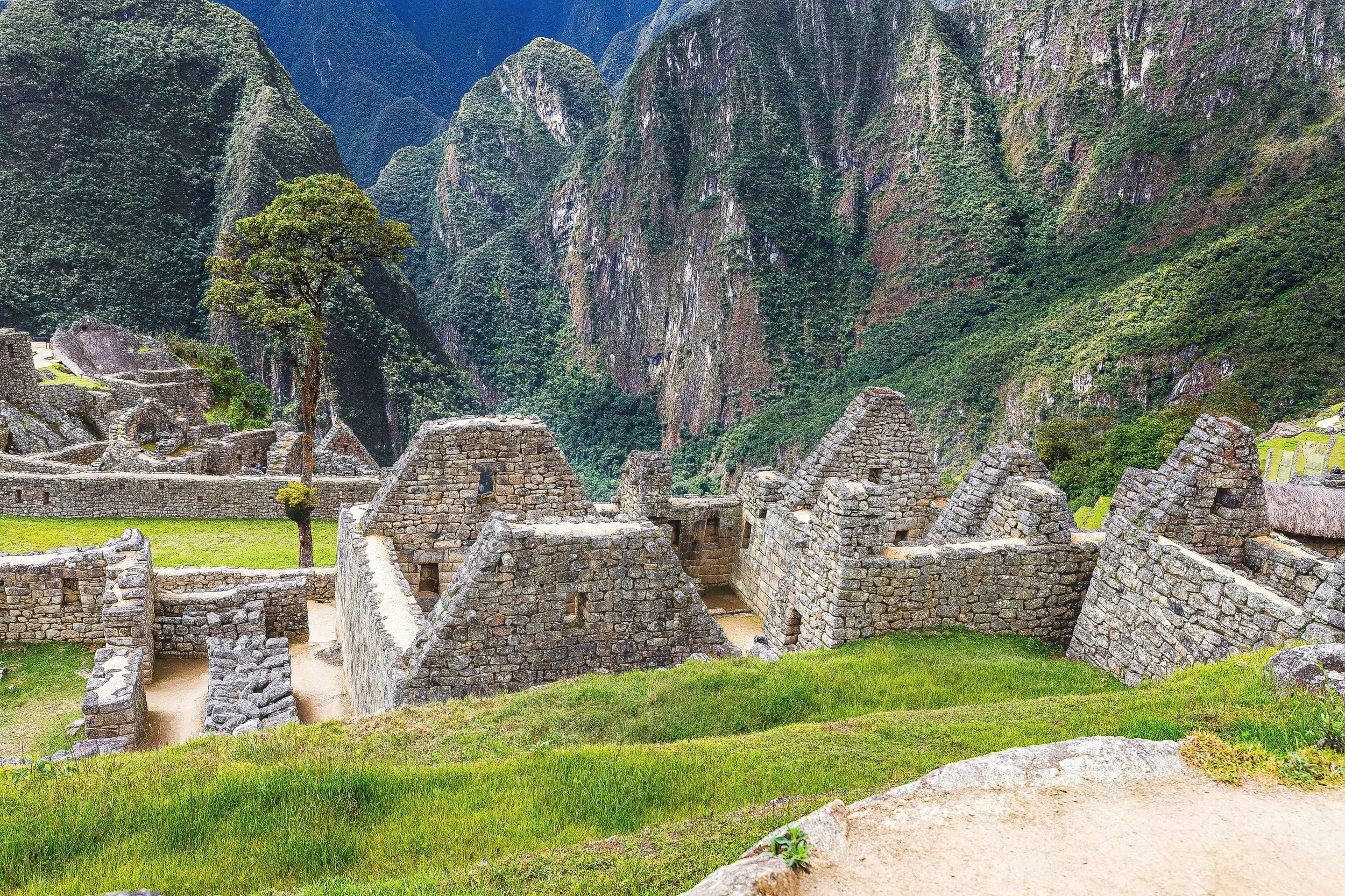
Image: Latuna / Pexels
High in Peru's Andes Mountains, Machu Picchu remains one of the country's most recognizable landmarks and an important part of its tourism industry.
Its popularity has also created challenges for authorities seeking to accommodate visitors while preserving the archaeological structures and surrounding natural environment.
The Ministry of Culture has emphasized that the ticketing reforms do not themselves increase the number of people permitted to enter the site. Instead, the changes focus on improving how existing admission spaces are sold and assigned.
Peru is also working to modernize the broader admission system.
In July, the Ministry of the Environment and Ministry of Culture announced an agreement to integrate admission charges for the surrounding Historic Sanctuary of Machu Picchu into the TuBoleto platform.
The initiative is intended to simplify ticket purchasing while supporting conservation funding and improvements to visitor management.
What Travelers Should Know Before Visiting
Travelers planning a visit to Machu Picchu should purchase admission tickets through the government's official TuBoleto platform and be prepared to complete payment within 15 minutes.
Tickets are issued for specific circuits and entry times, meaning visitors should carefully review their selected route before purchasing.
Those booking through travel agencies can also use the government's new ticket verification tool to confirm their admission is valid.
The changes are intended to make ticket purchasing more transparent while protecting one of Peru's most treasured archaeological landmarks.