
Image: Michael / Pexels
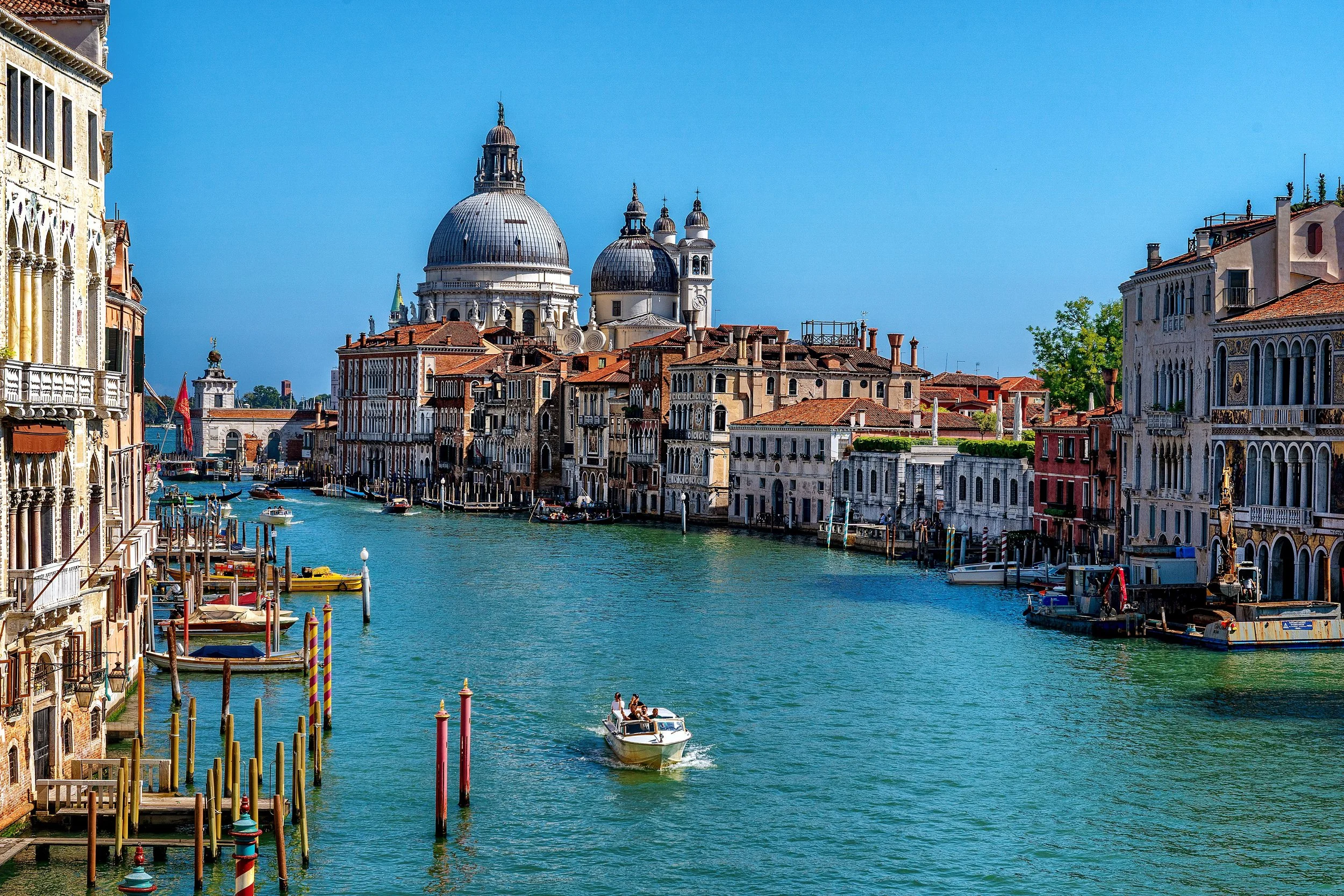
Venice will expand its controversial tourist entry fee program in 2027, requiring eligible day-trippers to pay between €5 and €10 to enter the historic Italian city on 72 designated days.
The pricing structure, approved by Venice's municipal executive on November 20, will apply on selected dates between March 26 and August 15, expanding the program from 60 days in 2026.
The city will also extend the daily enforcement period by 30 minutes, with the fee applicable between 8:30 a.m. and 4:30 p.m.
Venice's 2027 Tourist Entry Fee
Visitors who pay at least 10 days before their arrival will be charged €5, while those who pay within nine days of their visit will be charged €10.
According to the official calendar published by the City of Venice, the fee will apply on the following dates:
March: 26–29
April: 2–4, 9–11, 16–18 and 23–30
May: 1–2, 7–9, 14–16, 21–23 and 28–31
June: 1–6, 11–13, 18–20 and 25–27
July: 2–4, 9–11, 16–18, 23–25 and 30–31
August: 1, 6–8 and 13–15
The program primarily targets day-trippers. Under existing regulations, overnight visitors staying in accommodations within the municipality are exempt from the entry fee but are generally subject to a separate overnight tourism tax.
Additional administrative arrangements for 2027 are expected to be published by December 31, 2026.
Controversy Over Venice's Approach to Overtourism
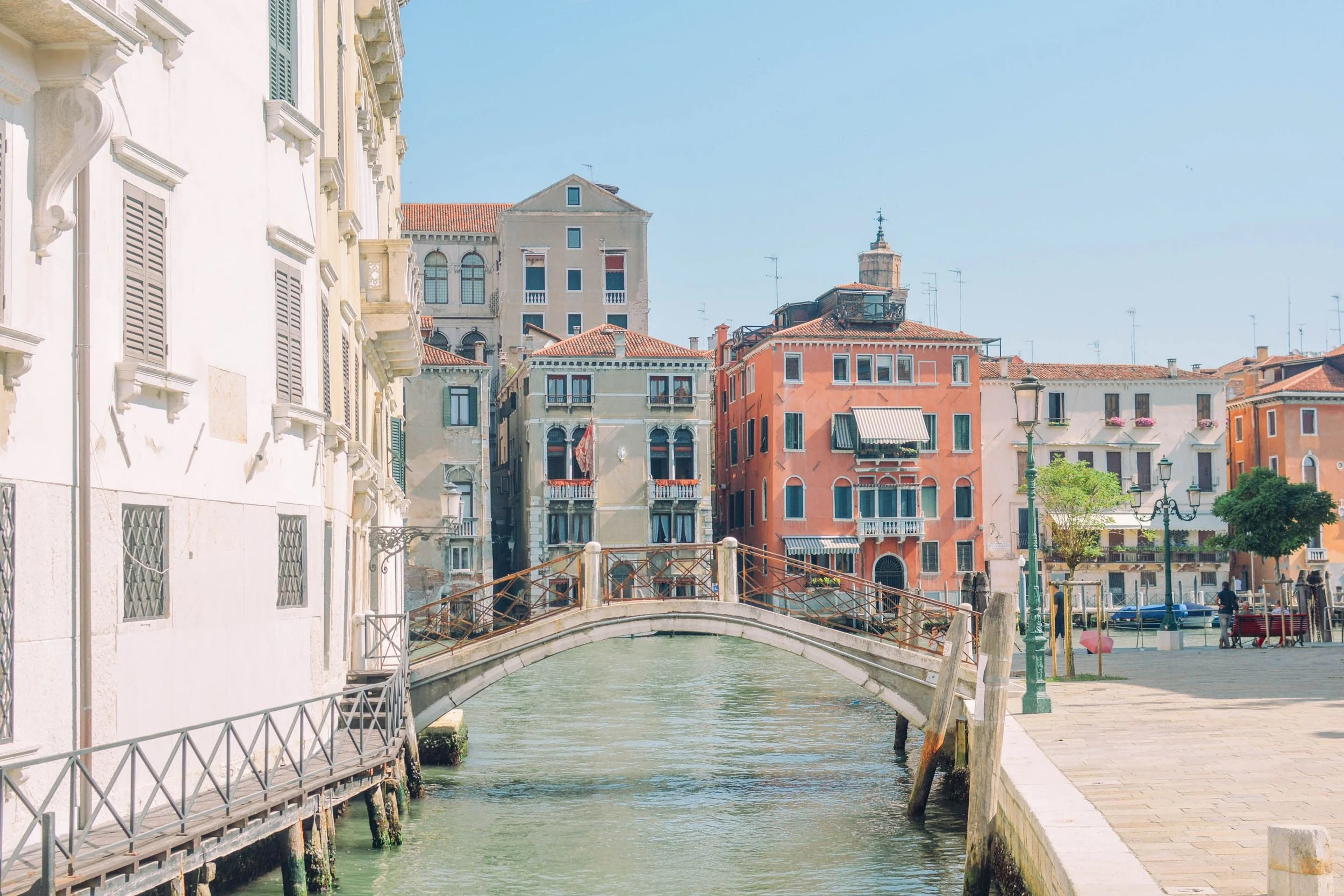
Image: Nana V / Pexels
Venice first introduced its experimental access fee in 2024 as part of efforts to manage overcrowding and protect the historic city's cultural and architectural heritage.
However, the program has faced opposition from housing advocates, activists and local politicians who question its effectiveness in addressing overtourism.
Among the most significant criticisms is the absence of a daily visitor cap. The program charges eligible visitors but does not establish a maximum number of people permitted to enter the city each day.
In July, Venice Mayor Simone Venturini told the Associated Press that existing Italian legislation prevents the municipality from imposing such a limit. Venturini also acknowledged that the existing €10 late-booking fee had not sufficiently deterred visitors during peak periods.
Beyond overcrowding, critics argue that the program fails to directly address Venice's longstanding housing crisis and declining residential population.
According to January 2026 figures compiled by local housing advocacy group OCIO and reported by the Associated Press, Venice's historic center had fewer than 48,000 registered residents, compared with more than 51,500 tourist accommodation beds.
Venturini has argued that registered population figures do not fully account for students and seasonal workers who spend much of the year living in Venice.
The municipality has introduced separate measures intended to encourage permanent residency and restrict the conversion of certain properties into tourist accommodations. Nevertheless, housing advocates continue to call for greater attention to the city's residential needs.
Where Does the Tourism Revenue Go?
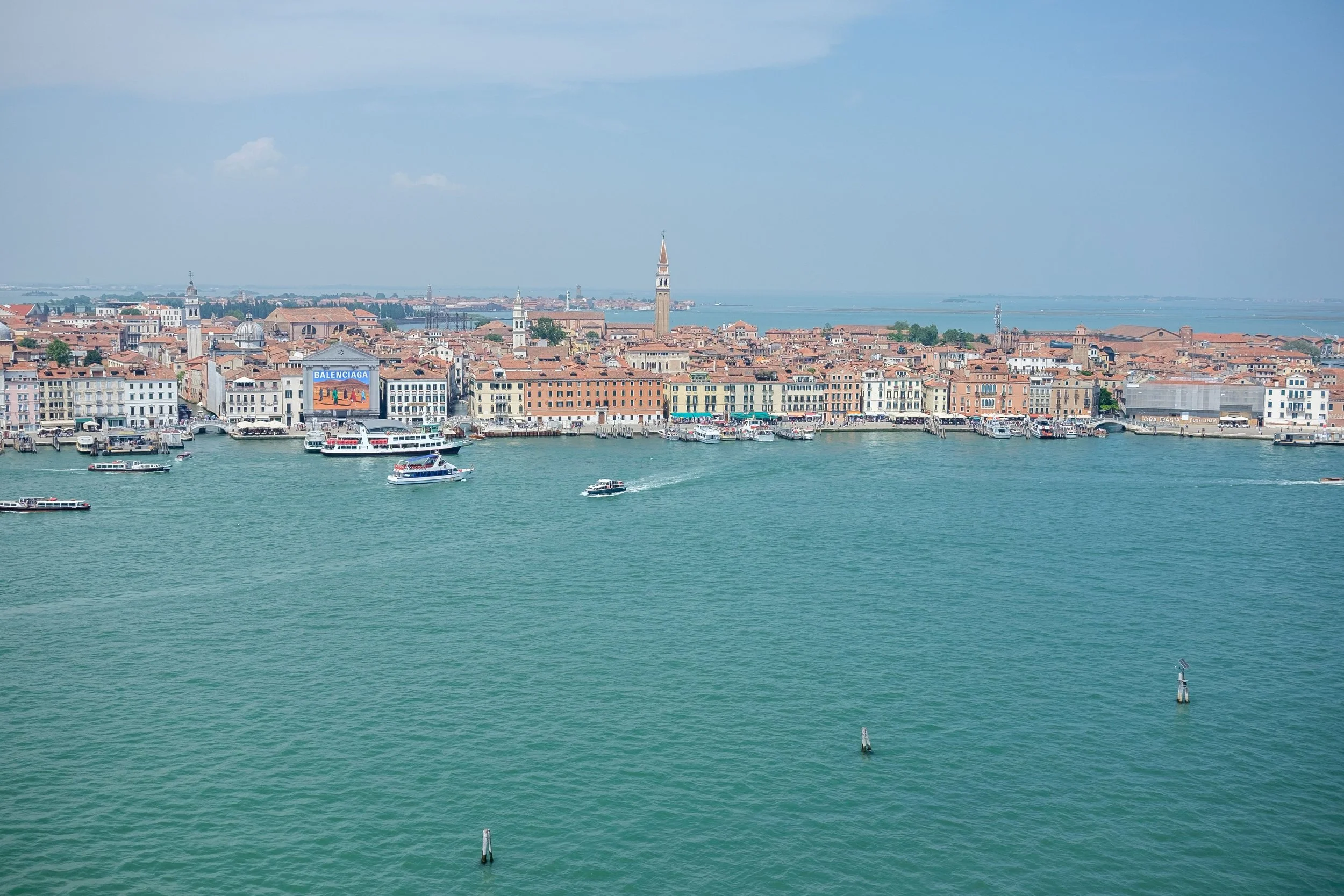
Image: Mayumi Maciel / Pexels
Venice's access fee has generated approximately €13 million in gross revenue since its introduction in 2024, including €5.4 million in 2025 and €5.2 million in 2026.
According to the municipality, the revenue is intended to support tourism-related services, public infrastructure, environmental protection and the preservation of local cultural heritage.
However, a substantial portion of the money collected has been used to administer the program itself.
An official conservation report submitted to UNESCO shows that of the €2.43 million collected in 2024, approximately €2.23 million was spent on program management, software and reimbursements. The remaining funds were reserved for future expenditure.
In 2026, approximately €1.77 million remained after operating expenses and was directed toward preventing increases in residents' waste collection bills, according to reporting by The Local Italy on November 17.
The publication also reported that a detailed breakdown of the program's 2026 operating expenses had not been made publicly available.
Municipal officials maintain that the access fee helps the city anticipate visitor numbers, organize public services and manage the costs associated with tourism.
As Venice prepares to expand the program for a fourth consecutive year, the debate continues over its ability to reduce overcrowding while addressing the needs of those who permanently call the historic city home.
Travelers planning a visit in 2027 can find additional information through the official Venice Access Fee website at cda.ve.it.