
An RV, a solo road trip, and a June afternoon in one of the hottest places on Earth. A solo journey through Death Valley National Park proves that some of America’s most extraordinary landscapes have absolutely no interest in making visitors comfortable.
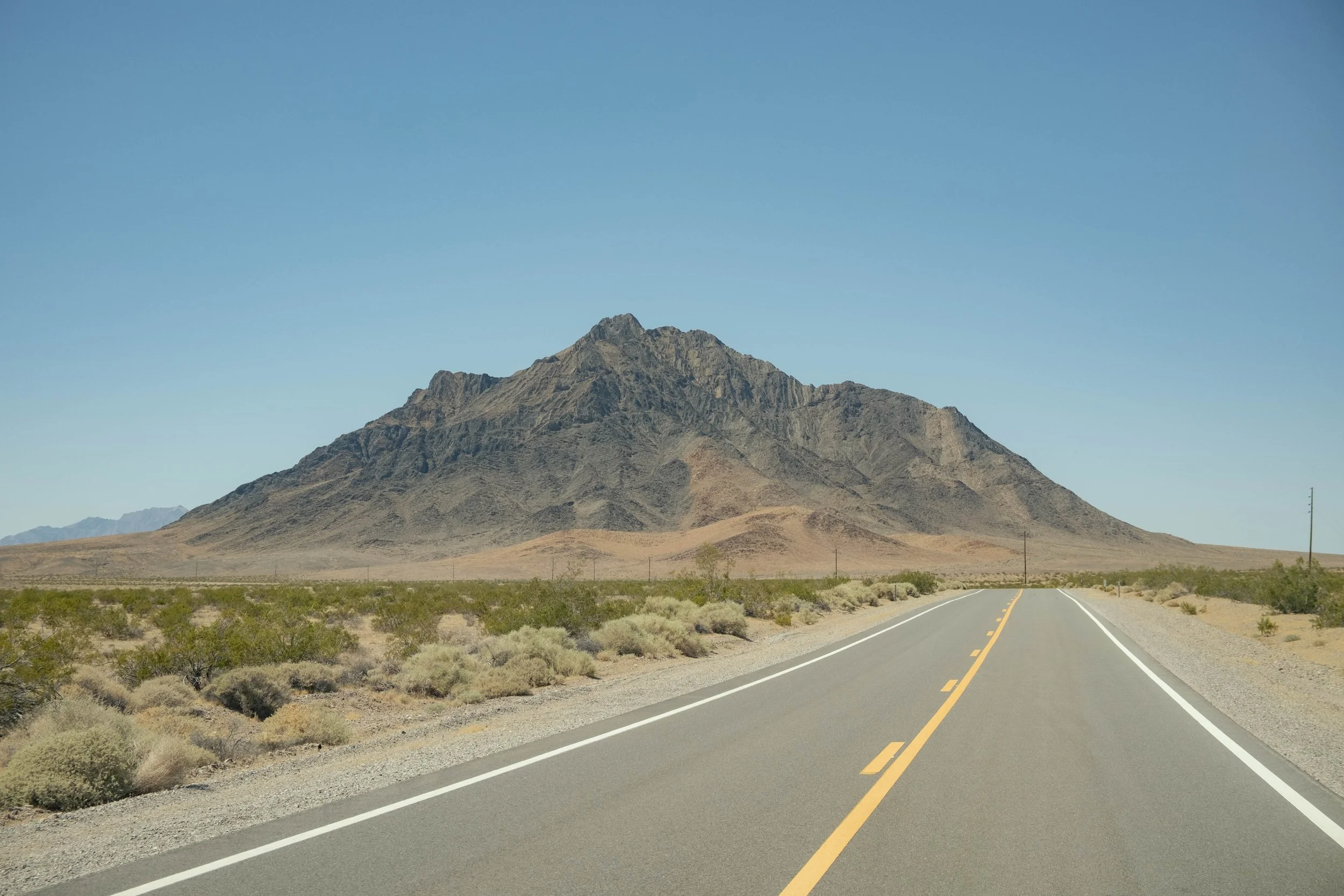
There are places on Earth where the environment seems actively opposed to human existence.
Death Valley is one of them.
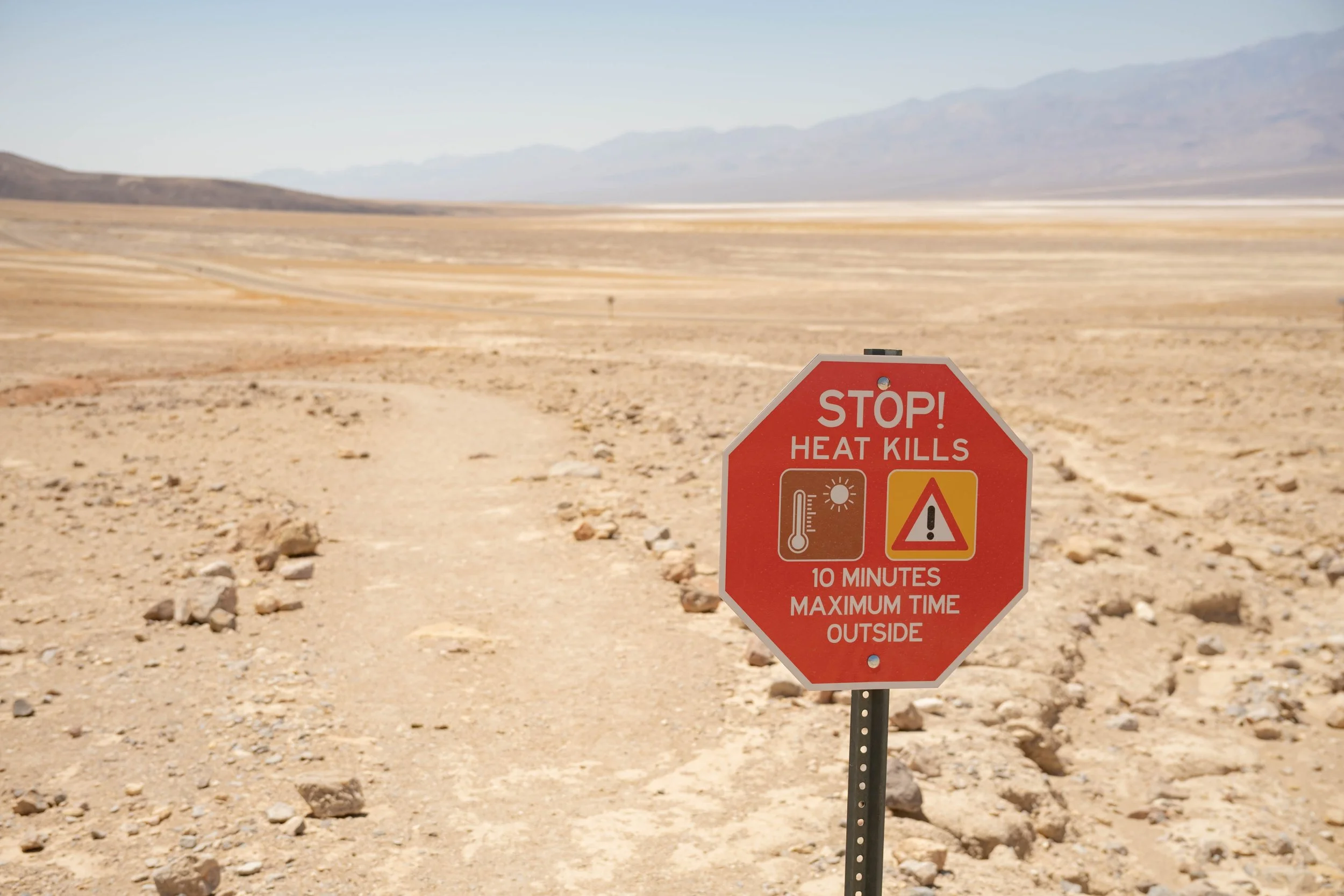
In June, the temperature reached 116 degrees Fahrenheit during my visit.
That’s not weather. That’s a warning.
At that temperature, the distinction between standing outside and opening an industrial oven begins to feel increasingly academic.
And yet, there I was, driving a recreational vehicle through the California desert, voluntarily exploring a landscape that has spent millions of years developing increasingly creative ways to make itself inhospitable.
I’d picked up the rental RV just two days earlier.
I was traveling completely alone.
And despite having very little experience driving something of that size, I had apparently decided that Death Valley National Park would be an excellent place to continue my education.
Nobody had forced me to come here.
That was perhaps the most concerning part.
Welcome to the Furnace
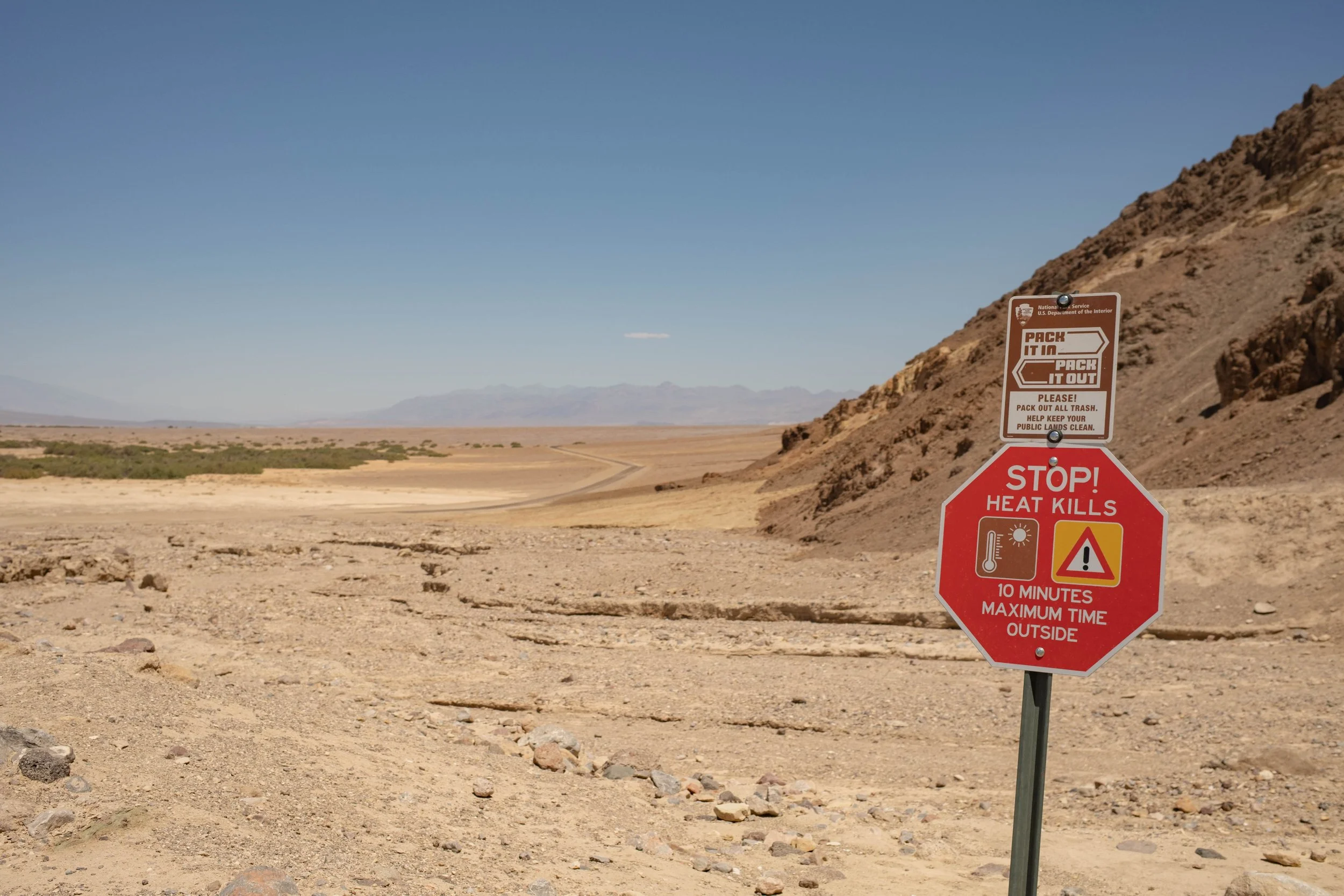
Death Valley occupies more than three million acres across eastern California and a small portion of Nevada, making it the largest national park in the contiguous United States.
It is a landscape of extremes.
Towering mountains rise above enormous salt flats. Ancient volcanic activity has left its mark on the desert. Wind and erosion have carved the terrain into shapes that look more appropriate for another planet.
And then there’s the heat.
Death Valley holds the officially recognized record for the highest air temperature ever recorded on Earth: 134 degrees Fahrenheit at Furnace Creek in July 1913.
That measurement has attracted scientific scrutiny over the years, but it remains the official record.
For perspective, 116 degrees is considerably below that.
A comforting thought, provided you don’t think about it for very long.
The park also contains Badwater Basin, the lowest point in North America, approximately 282 feet below sea level.
It’s a remarkable combination.
Some of the country’s most dramatic mountain scenery surrounding one of its lowest and hottest landscapes.
Naturally, people travel thousands of miles to experience it.
Myself included.
Zabriskie Point: An Introduction to Another Planet
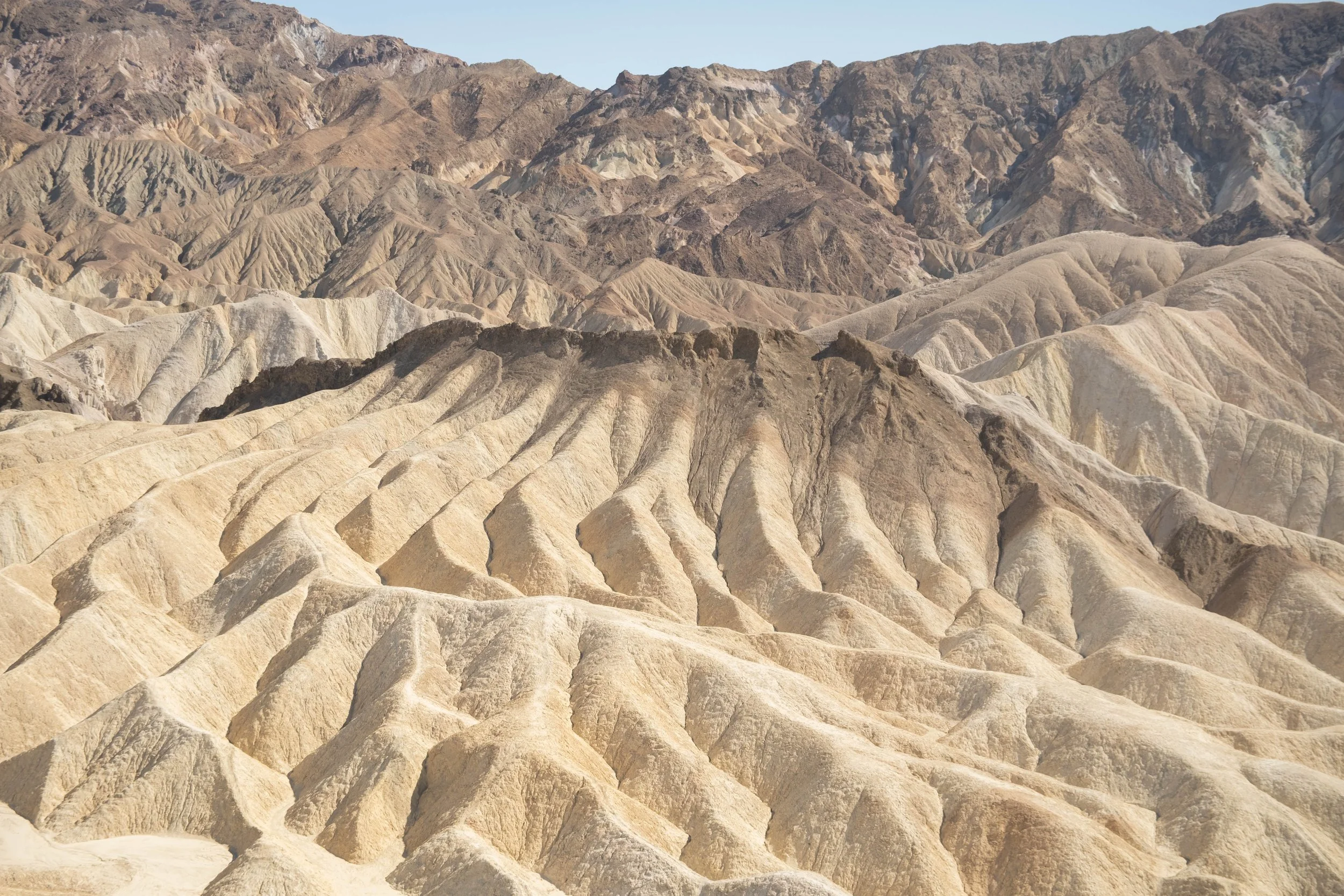
The first stop was Zabriskie Point.
It was an appropriate introduction.
The landscape here looks as though somebody took an enormous piece of fabric, crumpled it into a thousand folds, painted it various shades of yellow and brown, and left it baking here in the sun for several million years.
The result is extraordinary.
The badlands surrounding Zabriskie Point consist largely of ancient lakebed sediments that have been uplifted and eroded over immense stretches of geological time.
Ridges overlap.
Narrow gullies cut through hills.
The formations seem almost delicate, despite having survived processes that would make most modern construction projects look embarrassingly contemporary.
Standing above the landscape, it’s difficult to comprehend the scale of what you’re seeing.
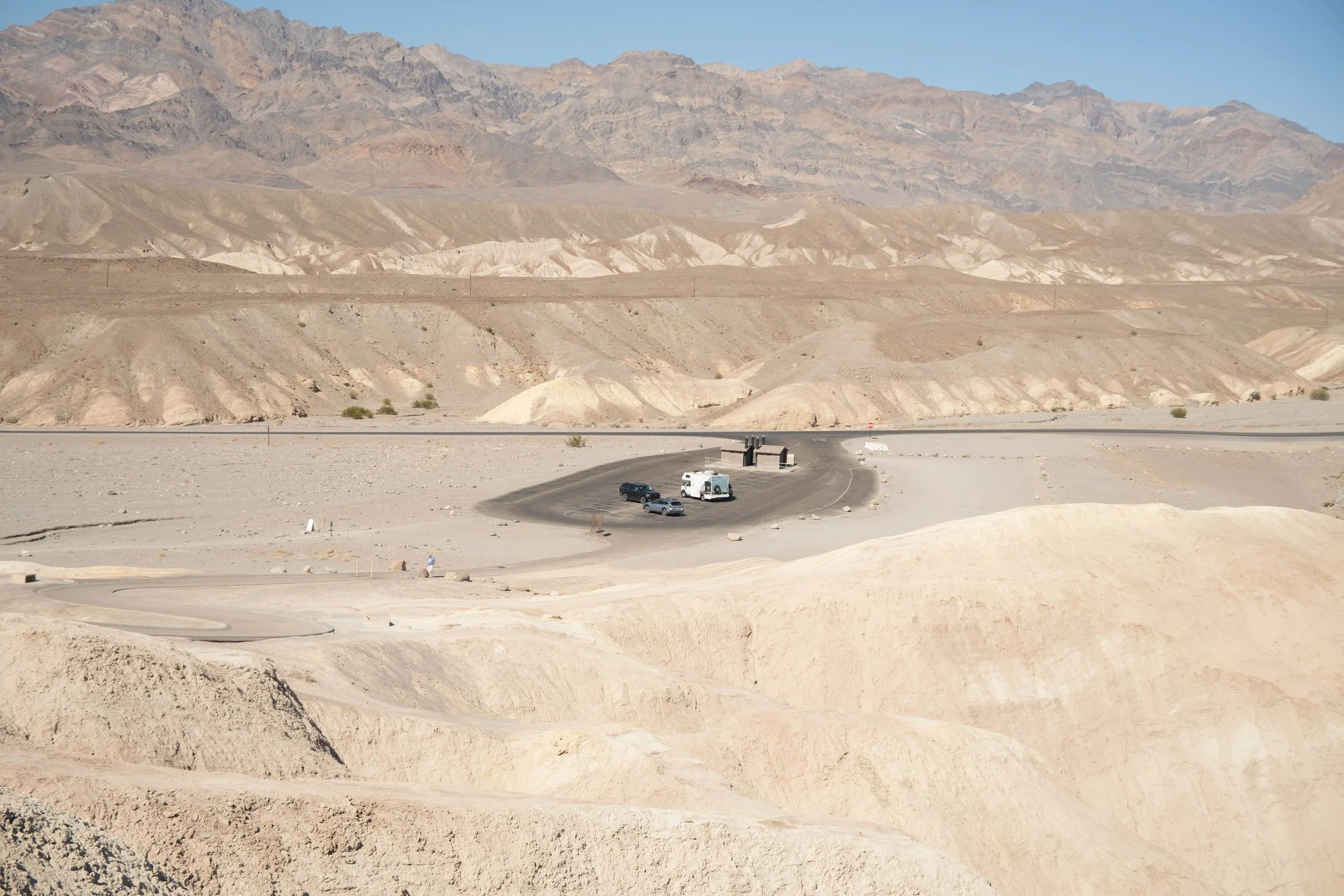
Death Valley isn’t simply a massive patch of sand.
It’s a geological exhibition on a scale that makes human history seem insignificant.
And that was only the beginning.
My next destination was Dante’s View.
Getting there would require considerably more attention to the road.
Dante’s View: An RV Driver’s Education
There are certain roads that are perfectly enjoyable in a small passenger car.
The road to Dante’s View is one of them.
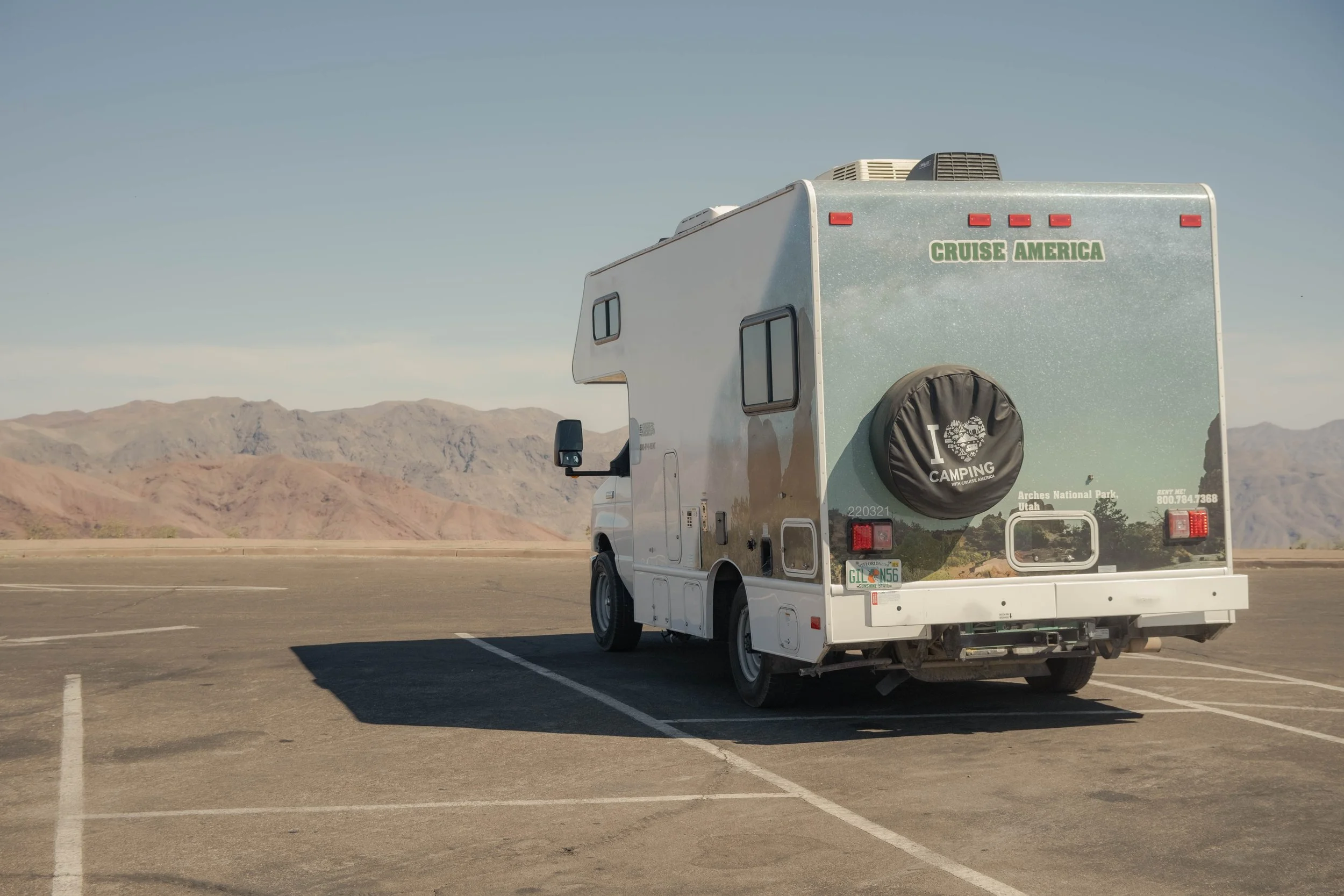
Unfortunately, I wasn’t driving a small passenger car.
I was driving a rental RV that I’d picked up approximately 48 hours earlier.
And while I’d become reasonably comfortable operating it, I was hardly an expert.
This was not the sort of vehicle where you could casually forget about your dimensions.
It was larger, heavier, and considerably less forgiving than the cars I was accustomed to.
The road climbed into the Black Mountains, becoming increasingly winding and narrow as it approached the overlook.
Every turn demanded attention.
Every curve was another reminder that I was responsible for maneuvering a substantial recreational vehicle along a mountain road in one of the hottest places in America.
There’s a particular kind of confidence that comes from successfully driving an unfamiliar vehicle for two days.
And then there is the realization that confidence and competence are not necessarily the same thing.
Nevertheless, I continued upward.
The climb brought me toward one of the most extraordinary viewpoints I have ever seen in my relatively short life.
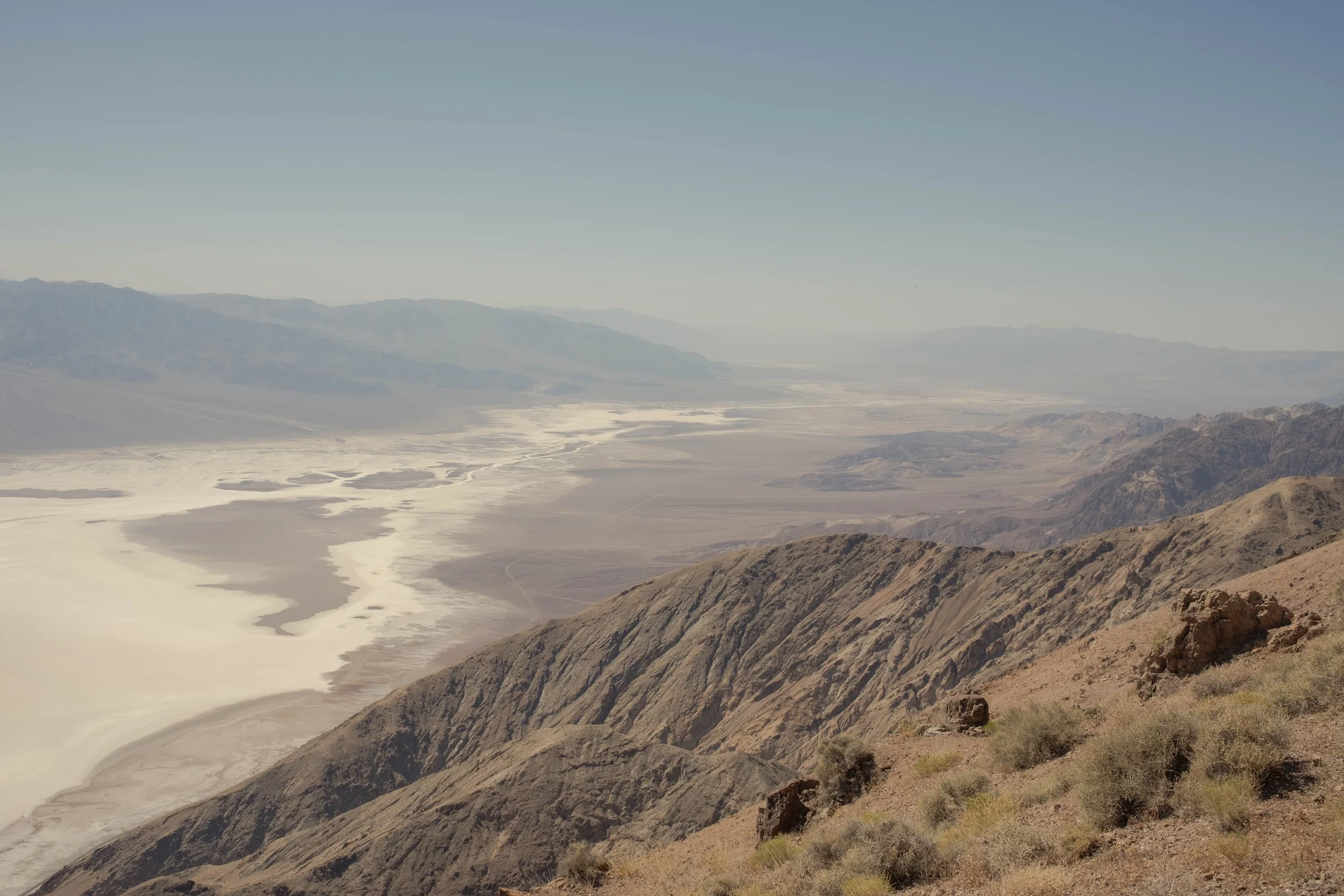
Dante’s View sits more than 5,000 feet above the valley floor.
From the overlook, Badwater Basin stretches far below, a pale expanse surrounded by towering mountain ranges.
The elevation creates a massive sense of scale.
The salt flats look impossibly distant.
The mountains extend toward the horizon.
And the entire scene has a strange, almost theatrical quality.
It is one of those places that makes the effort of reaching it worthwhile.
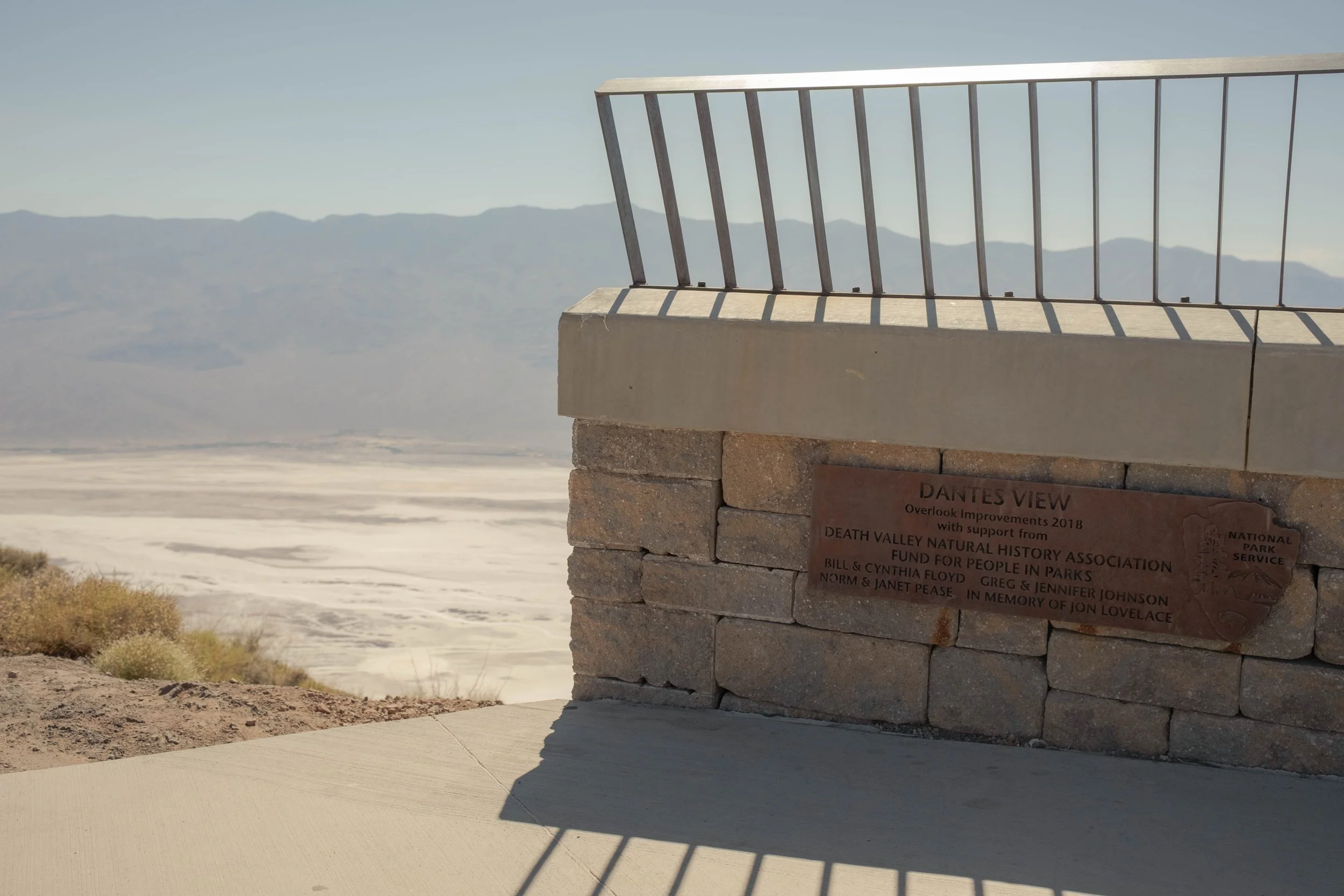
Although, in retrospect, I would strongly recommend checking vehicle restrictions before attempting the drive.
The National Park Service prohibits vehicles longer than 25 feet on the final section of Dante’s View Road as it switchbacks rather sharply.
With a vehicle that was only a few feet shy of the restrictions, I naturally decided it was an experience I could not pass on.
The view was spectacular.
The driving lesson was complimentary.
Badwater Basin: Walking Below Sea Level
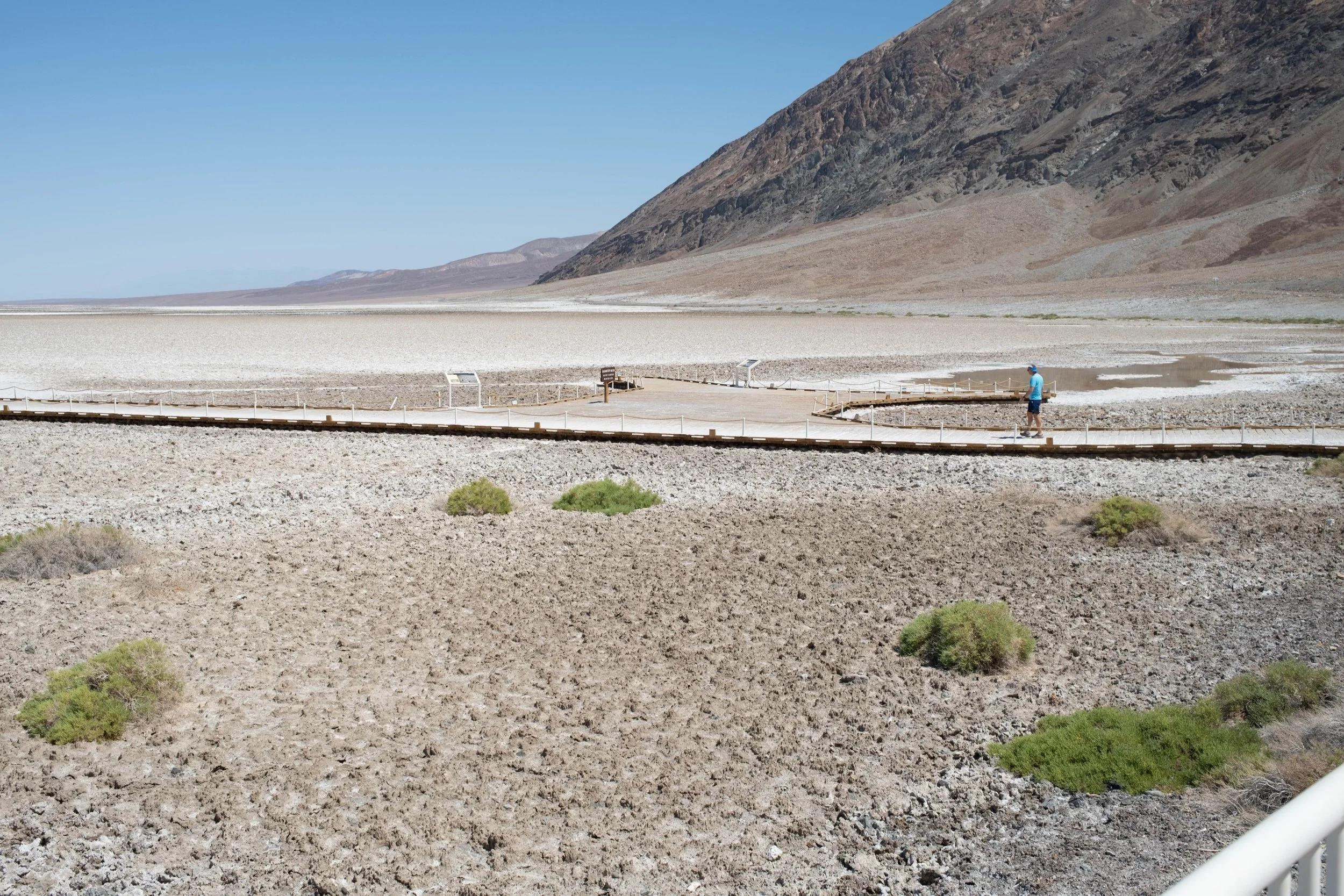
After descending from the mountains, I continued toward Badwater Basin.
There aren’t many places in the world where you can stand hundreds of feet below sea level without needing scuba equipment.
At approximately 282f feet below sea level, it is the lowest point in North America.
The contrast between Dante’s View could hardly have been more dramatic.
Earlier, I’d been looking down at the valley from thousands of feet above.
Now I was standing on its floor.
Badwater Basin is famous for its enormous salt flats, which stretch across the desert in a pale, and almost blinding expanse.
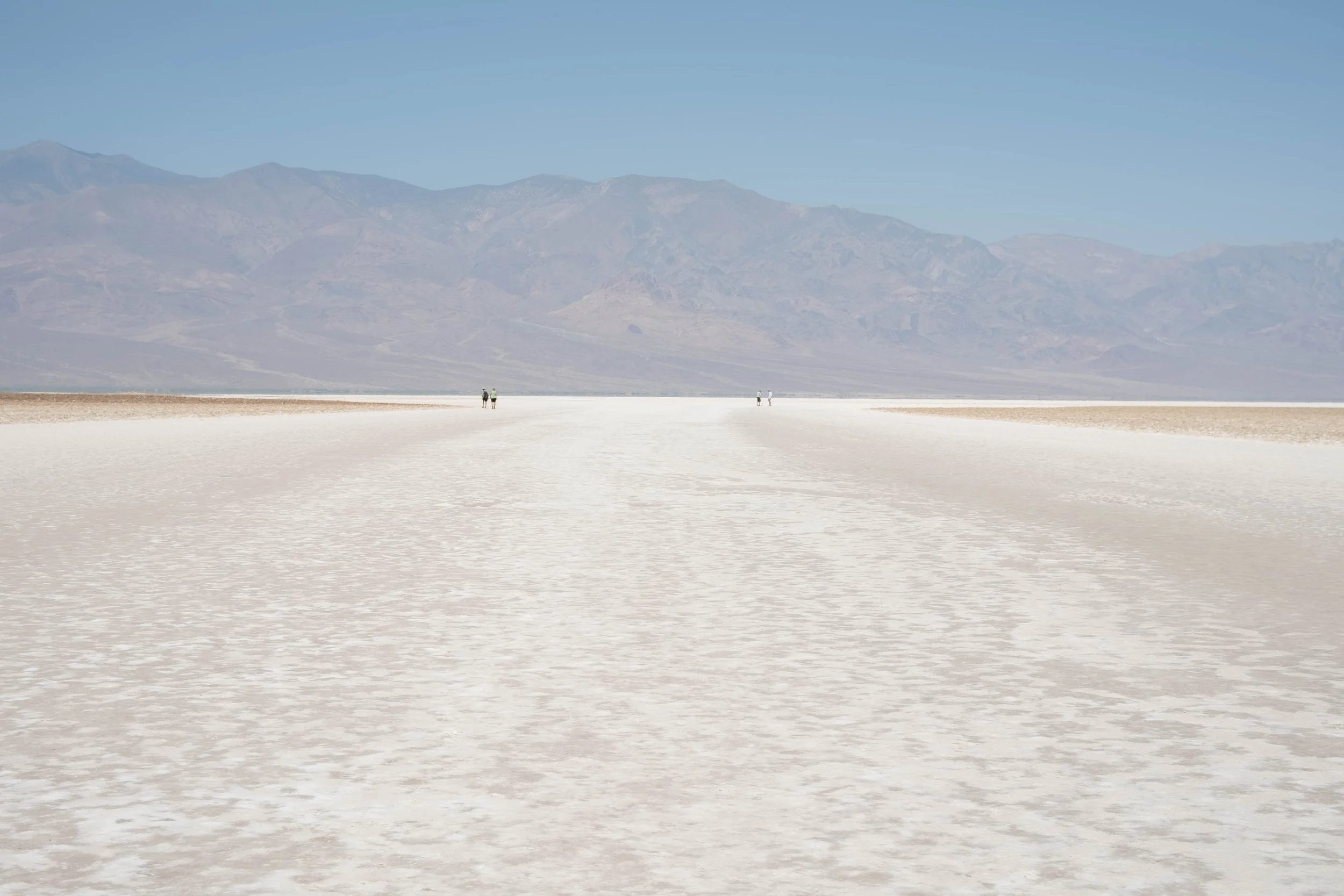
From a distance, the ground resembles snow.
An unfortunate visual misunderstanding in the hottest place in North America.
There is absolutely nothing refreshing about standing on a salt flat in Death Valley during summer.
The salt deposits formed as water accumulated in the basin and evaporated, leaving minerals behind.
Over time, these processes created the distinctive white surface and geometric salt formations that attract visitors today.
I walked out onto the salt flats.
It is a strange experience.
The landscape is vast, exposed, and almost completely devoid of shade.
The surrounding mountains create a natural enclosure, but the basin itself feels remarkably open.
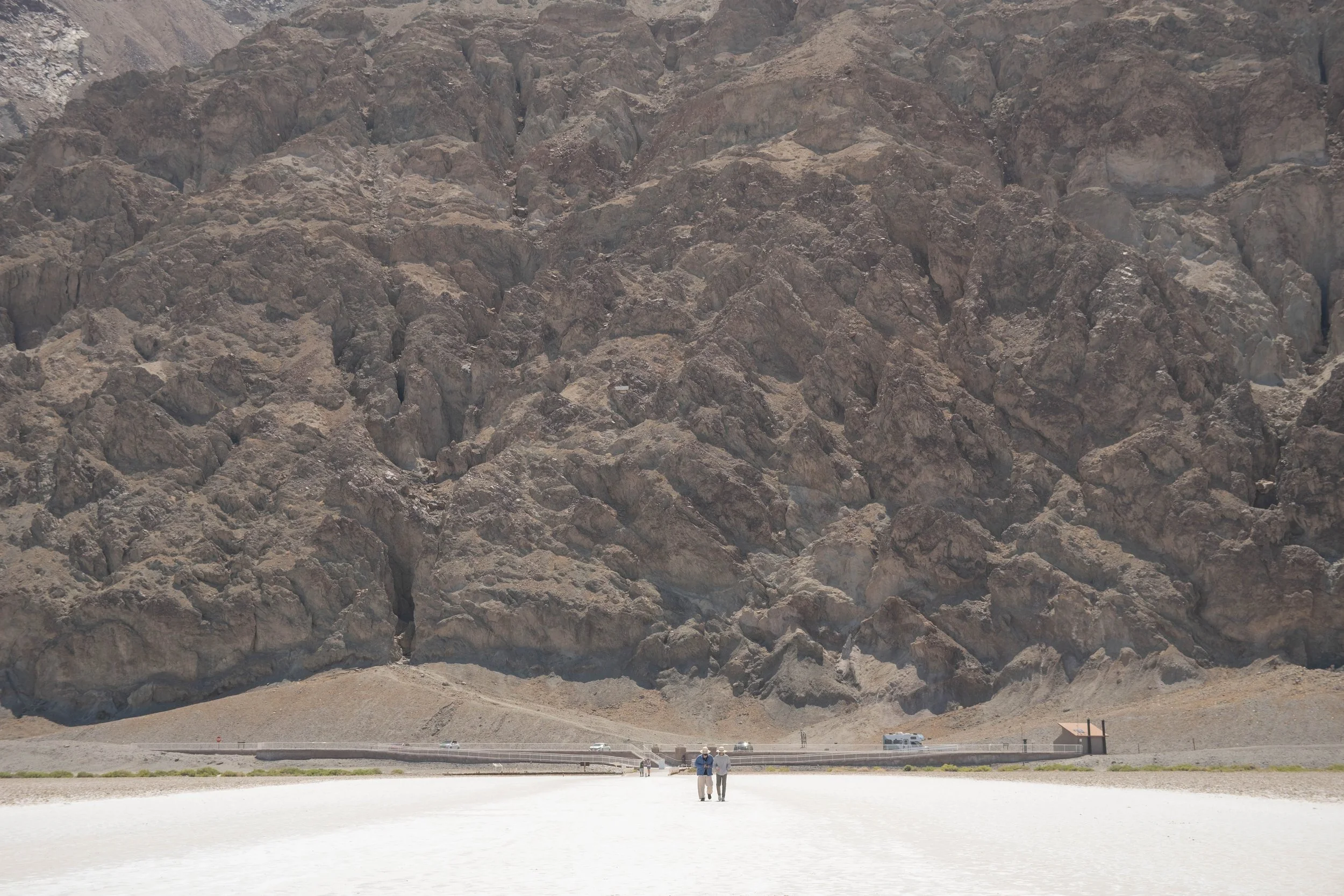
At 116 degrees, there is little opportunity to forget where you are.
This is the type of heat where standing still makes you drip with sweat.
It’s slightly warmer than Manhattan in the summertime and just underneath the morning low in Hell.
The heat becomes part of everything.
It dictates how long you remain outside, how much water you need, and how quickly an otherwise ordinary walk can become dangerous.
There is also something surreal about standing below sea level in the middle of a desert.
The Pacific Ocean is somewhere far beyond the mountains.
Yet here you are, hundreds of feet below surface elevation, standing on dry salt.
Geography has a peculiar sense of humor.
Golden Canyon: Walking Into the Heat
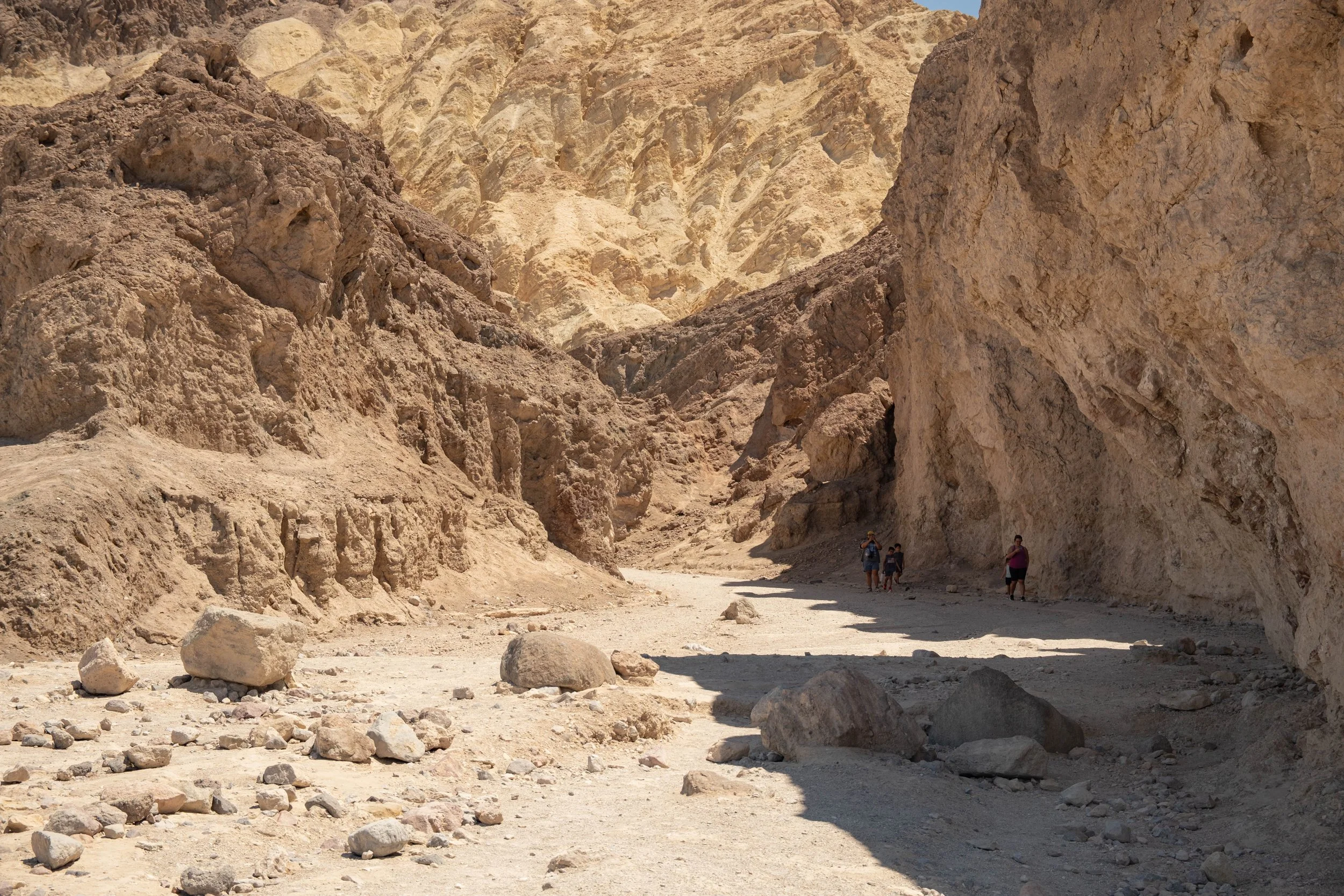
The next experience required leaving the comfort of the RV behind.
Golden Canyon is one of Death Valley’s most recognizable hiking areas, with a trail that winds through narrow passages surrounded by towering wall of yellow and orange sedimentary rock.
The canyon’s colors are almost surreal for somebody living on the East Coast.
Its formations have been shaped by erosion, revealing layers of geological history along the trail.
In cooler conditions, it would be easy to lose track of time exploring the landscape.
During a June heat wave, however, time becomes a considerably more important consideration.
I walked the trail into Golden Canyon.
Unlike standing at a roadside overlook or strolling on a salt flat, hiking requires a commitment.
Every step into a canyon is another step you’ll eventually have to take back out.
And while the surrounding rock formations provide remarkable scenery, they do not make the desert heat any less serious.
The canyon is beautiful in a way that feels almost hostile.
Its walls rise around the trail.
The colors change with the light.
And the landscape seems to exist entirely independently of the people wandering through it.

There are no cafes.
No conveniently placed water fountains.
No air-conditioned visitor center waiting around the next bend.
Just rock, sand, heat, and the trail.
The National Park Service advises against hiking at low elevations during dangerous summer heat.
It’s advice that deserves to be taken seriously.
Mesquite Flat: A Long Time Ago, in a Desert Far, Far Away
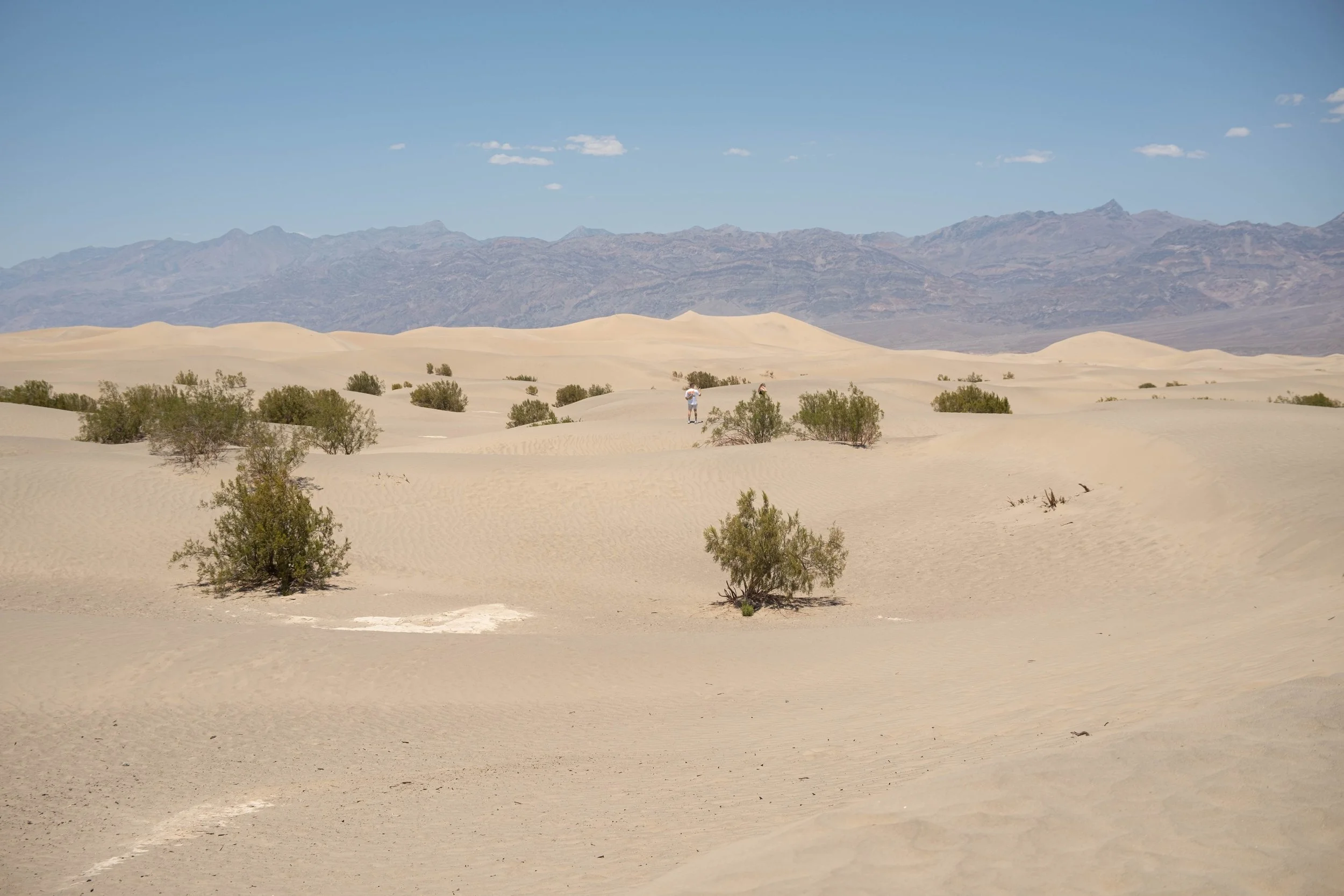
By the time I reached Mesquite Flat Sand Dunes, I’d already experienced a fair amount of Death Valley’s geographical absurdity.
Naturally, the next logical step was to climb a mountain made entirely of sand during the peak afternoon heat.
Mesquite Flat is the desert most people imagine when they hear the word.
Rolling dunes stretch across the valley floor, their ridgelines shaped by the wind into smooth, almost impossibly perfect curves.
It’s a landscape that looks like it belongs on another planet.
And, as it happens, Hollywood agreed.
In 1977, George Lucas used several locations throughout Death Valley while filming scenes for Star Wars. Mesquite Flat Sand Dunes helped portray Tatooine, the fictional desert Laney where R2-D2 and C-3PO found themselves wandering after escaping Darth Vader.
Other locations I’d visited that day, including Dante’s View and Golden Canyon also appeared in the film.
Apparently, when Hollywood needed to portray a distant, inhospitable planet with almost no water and unbearable temperatures, somebody looked at Death Valley and said, “Perfect. No changes necessary.”
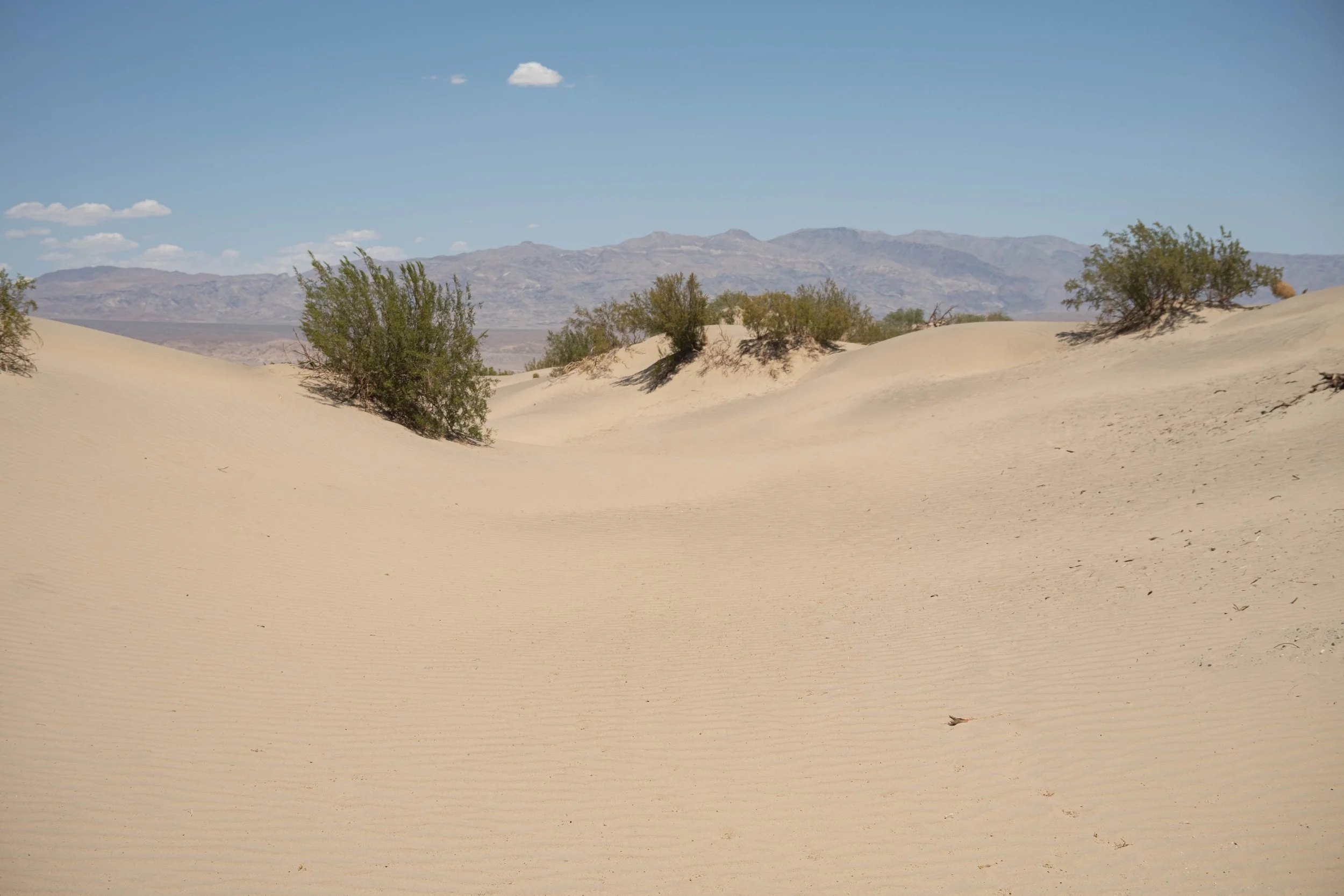
The resemblance was convincing.
Although I couldn’t help noticing that R2-D2 had the distinct advantage of moving around on wheels.
I had legs, obviously.
And I had decided to use them to scale one of the larger dunes.
From the bottom, the climb looked reasonably straightforward.
It’s sand, after all.
Children play in the stuff.
How difficult could it possibly be?
The answer is considerably more difficult than you’d ever imagine.
With every step, my feet sank into the loose surface. The sand shifted beneath me, occasionally sending a portion of my progress sliding backward.
The higher I climbed, the more apparent it became that sand dunes are considerably more enjoyable to photograph than to ascend.
And then there was the heat.
It was the sort of environment where you begin to understand why Luke Skywalker was so desperate to leave Tatooine.
Frankly, I would’ve accepted a ride from the Jawas.
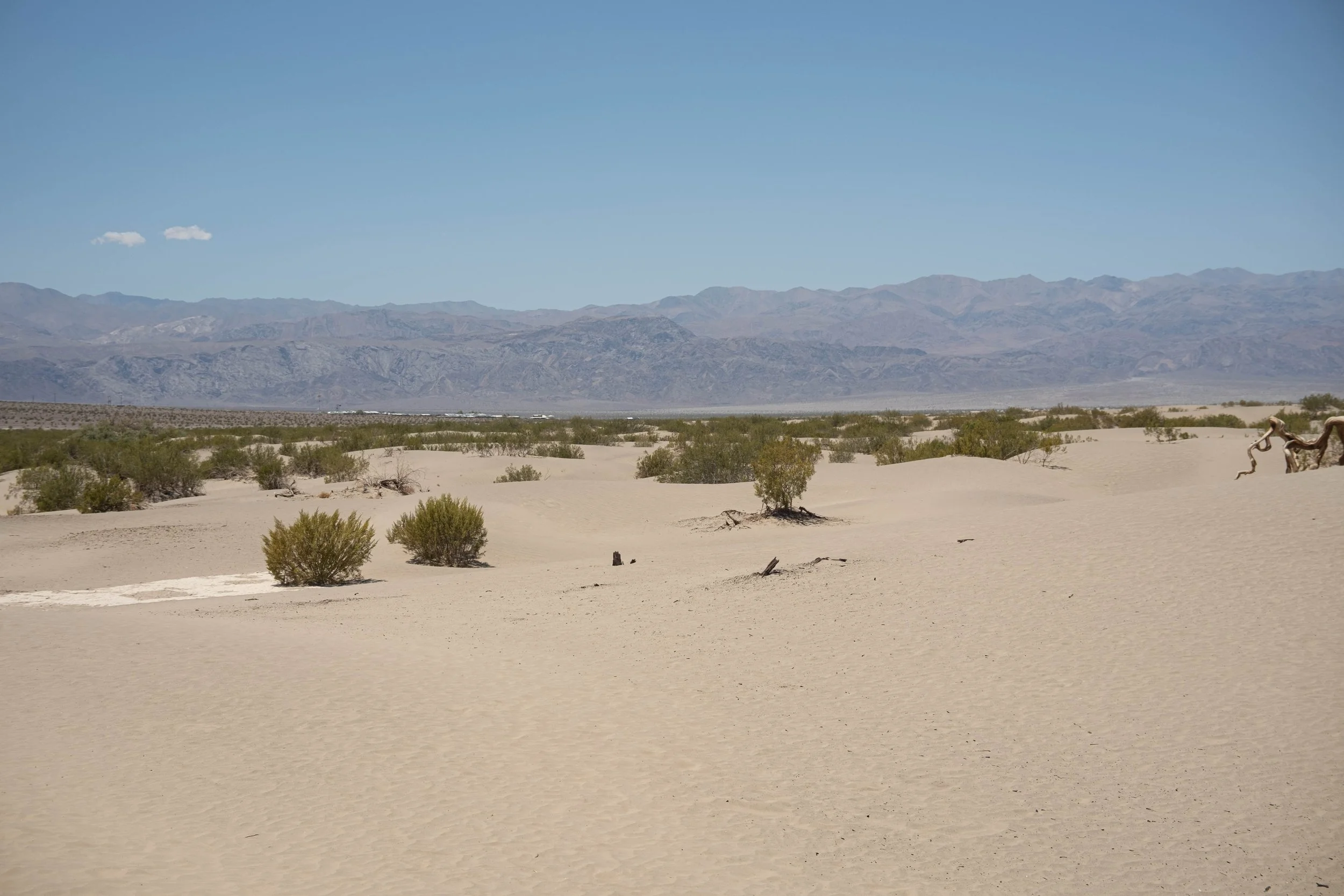
Eventually, I reached the top despite the universe trying its hardest to stop me.
There was something remarkable about standing in a landscape that had existed long before the movies, the tourists, or the national park itself.
Hollywood had borrowed the scenery to create an imaginary world.
But the real thing was strange enough.
No special effects required.
The Strange Freedom of Traveling Alone
One of the greatest advantages of traveling alone is that nobody can talk you out of your terrible ideas.
This is also one of the greatest disadvantages.
Nobody had questioned my decision to drive an unfamiliar RV up a winding mountain road, hike through a canyon in 116-degree heat, or climb an enormous sand dune for no particularly practical reason at all.
There was nobody in the passenger seat suggesting that perhaps I should reconsider.
Just me, an RV I’d rented two days earlier, and a growing collection of questionable decisions.
But that’s part of the appeal of solo travel.
You make the decisions. You deal with the consequences. And occasionally, you discover that you’re more capable than you expected.
Of course, Death Valley isn’t high up on the list of places to test your limitations. The extreme heat, unreliable cellular service, and remote roads leave little room for error.
Adventure and poor judgment are sometimes close relatives.
The Long Road Out of Death Valley
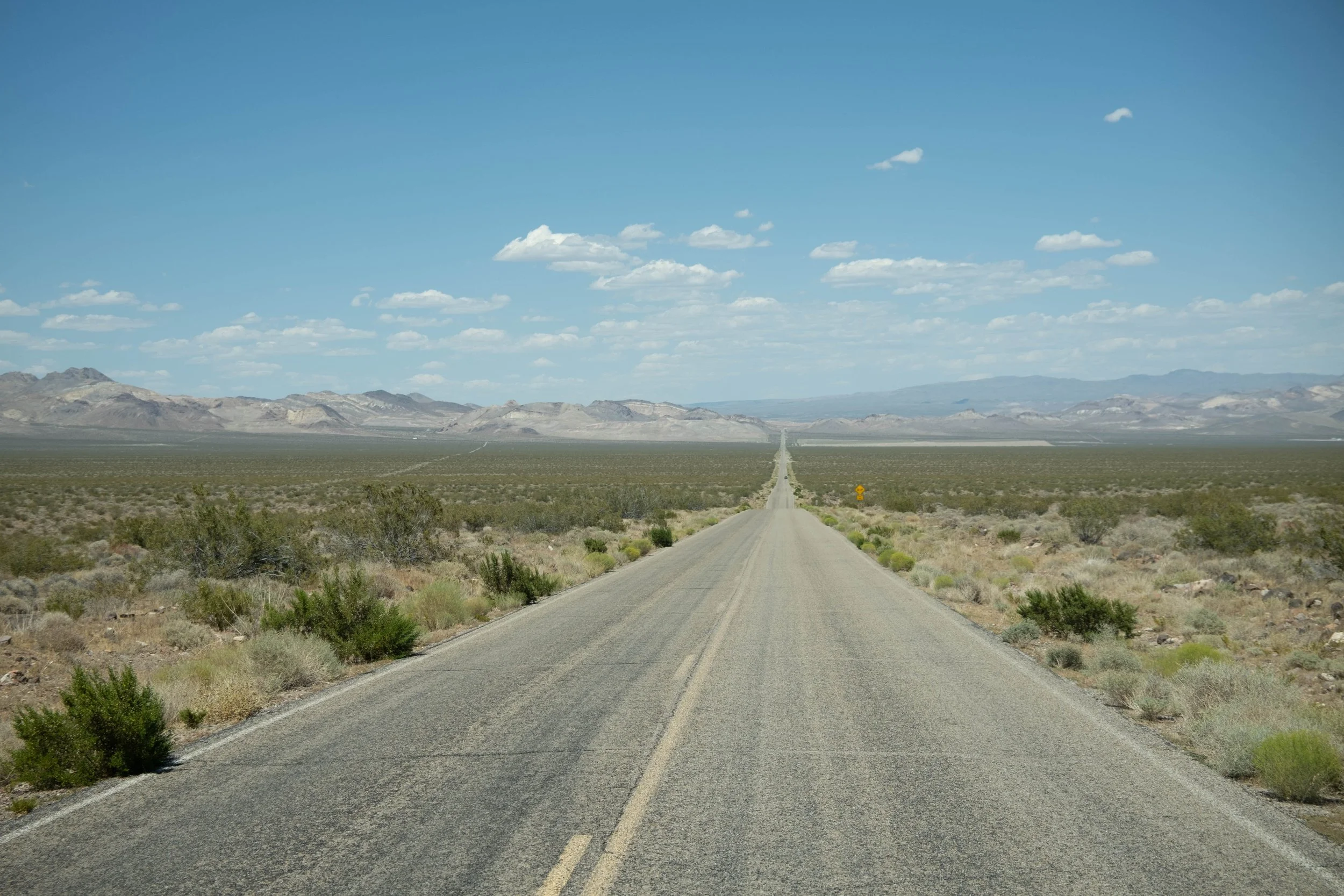
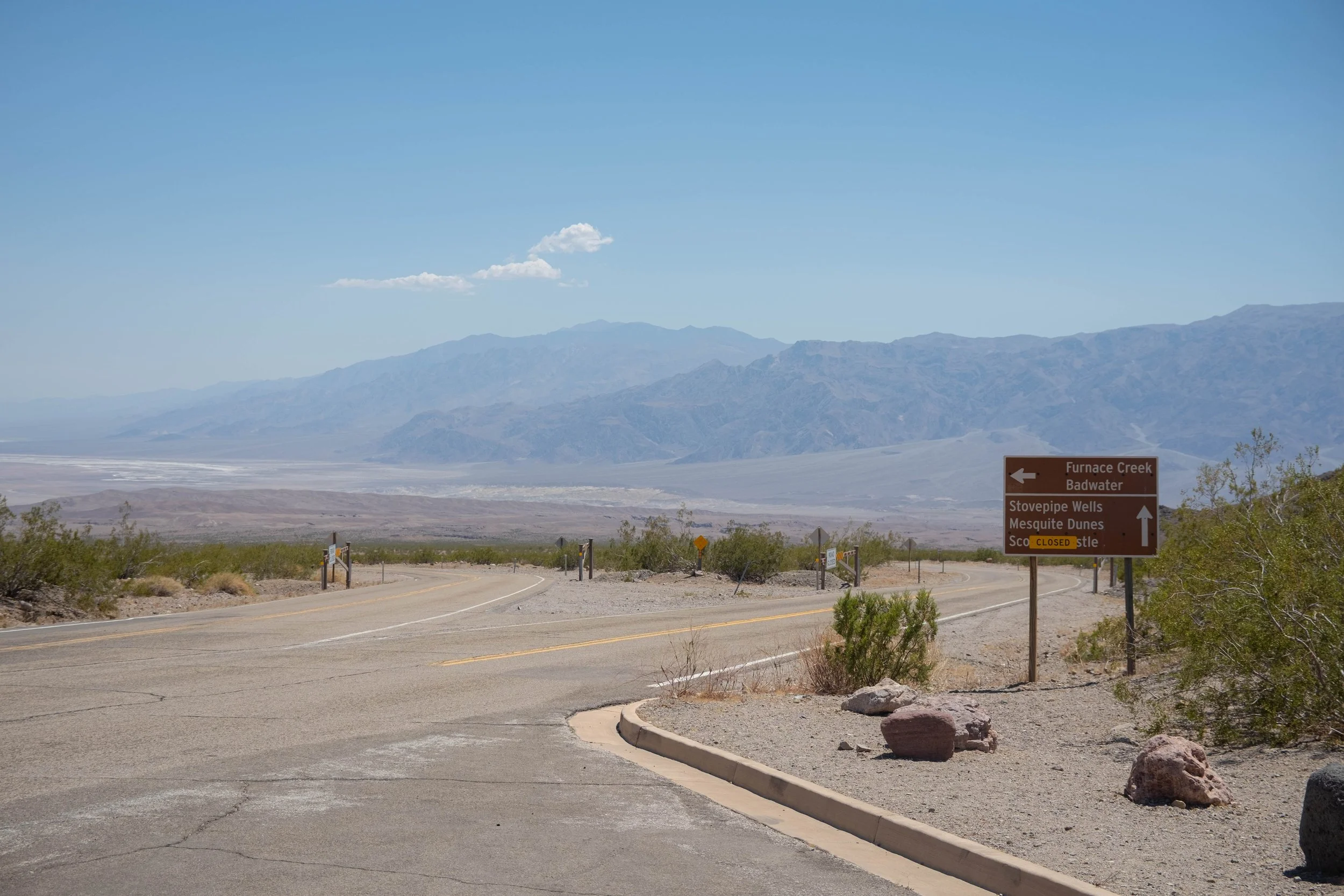
With the dunes behind me, I climbed back into the RV and continued toward Nevada along Daylight Pass Road.
The highway wound through the desert mountains, climbing away from the valley floor and offering one final reminder of just how massive Death Valley really is.
Eventually, I crossed the Nevada state line.
After a day of exploring one of the most unforgiving landscapes in America, it felt like an accomplishment.
I’d driven to Dante’s View, walked hundreds of feet below sea level, explored Golden Canoyn, and climbed a sand dune that Hollywood once passed off as another planet.
The RV was still in one piece.
So was I.
Under the circumstances, I’d call that a successful day.
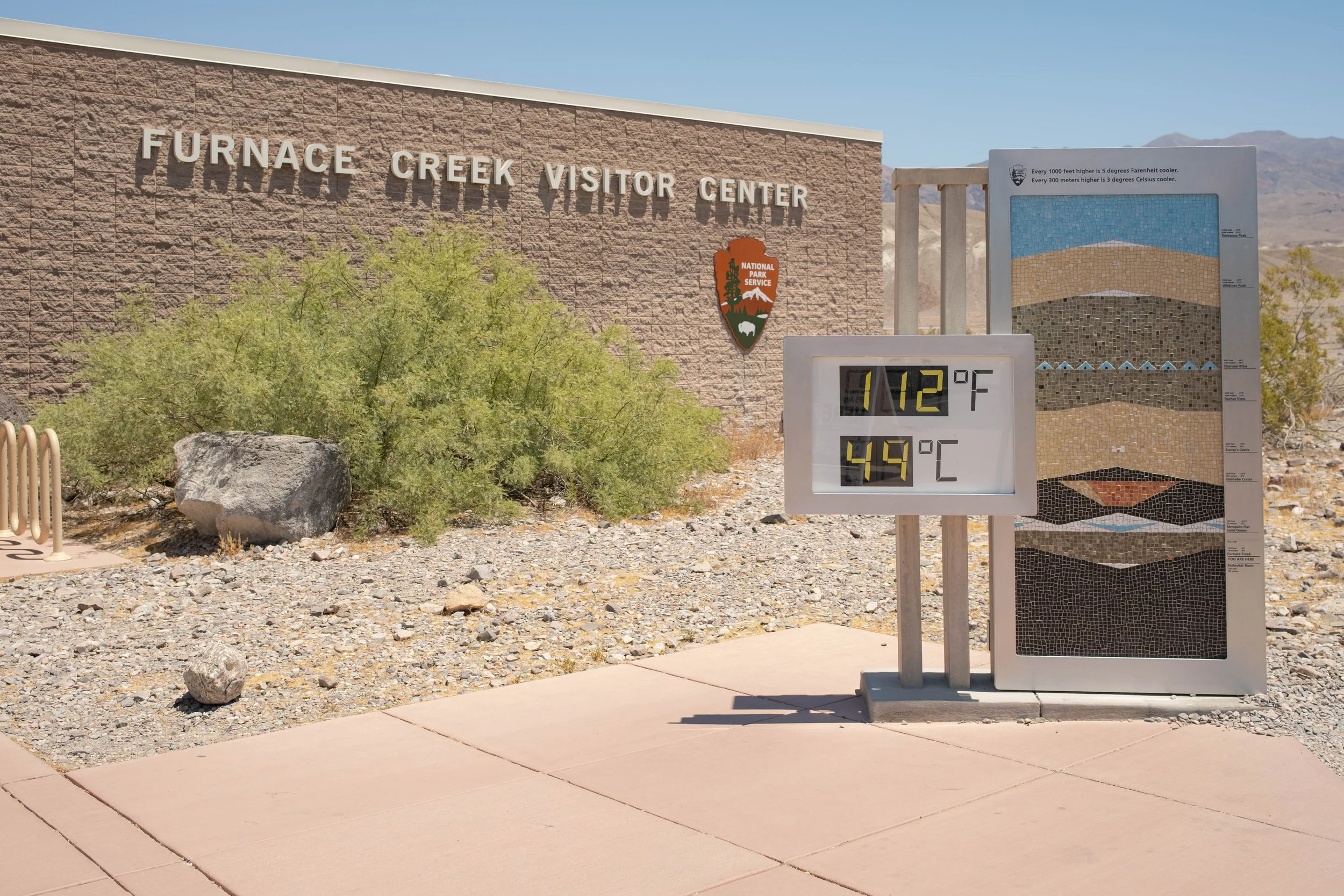
Death Valley had been extraordinary but it had also taught me an important lesson about the difference between adventure and unnecessary risk.
Would I go back?
Absolutely.
Do I recommend repeating my itinerary during the hottest time of year?
Not a chance.
In a world increasingly designed around human convenience, Death Valley remains stubbornly unwilling to accommodate us.
Which is precisely why it’s worth visiting.
Just maybe not in June.