
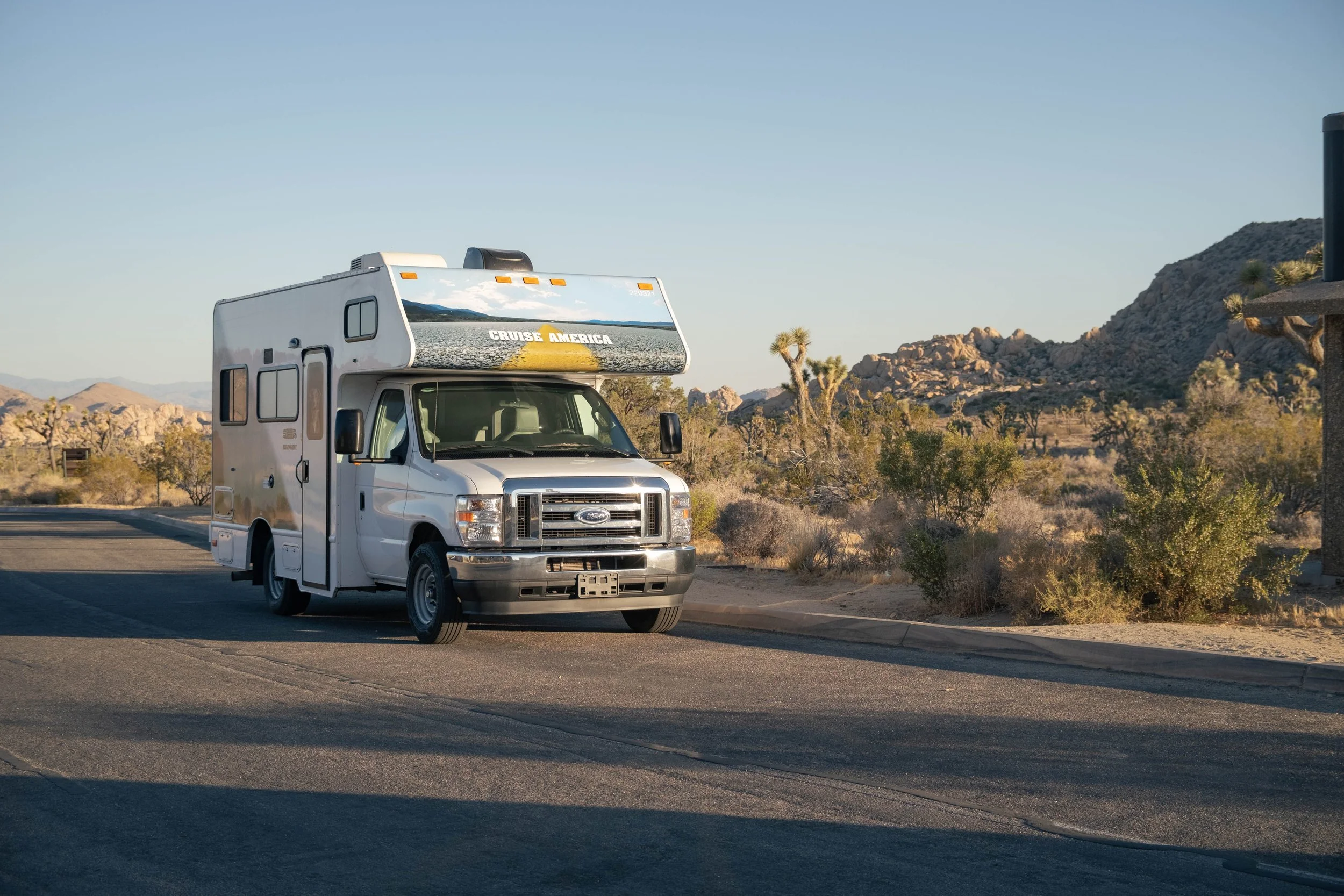
An overnight stay among the boulders of Jumbo Rocks Campground led to an incredibly rare experience at one of California’s most recognizable national parks: an hour of uninterrupted solitude.
There is an unfair advantage to sleeping inside a national park.
While other visitors are waking up in hotel rooms, finishing breakfast, or beginning the drive toward the park entrance, those already inside have a head start. The roads are quieter. The parking lots are totally empty. And for a brief window each morning, some of the most celebrated landscapes in the country can feel remarkably private.
At Joshua Tree National Park, that advantage became apparent shortly after sunrise on a weekday in summer.
A rental recreational vehicle had spent the previous night tucked between enormous granite formations at Jumbo Rocks Campground. By morning, the desert was almost completely silent. There were no crowds waiting to photograph the rocks, no lines of vehicles navigating the campground, and little evidence of the thousands of people who visit this landscape.
Just the occasional desert bird breaking the deafening silence.
A Campsite among giants
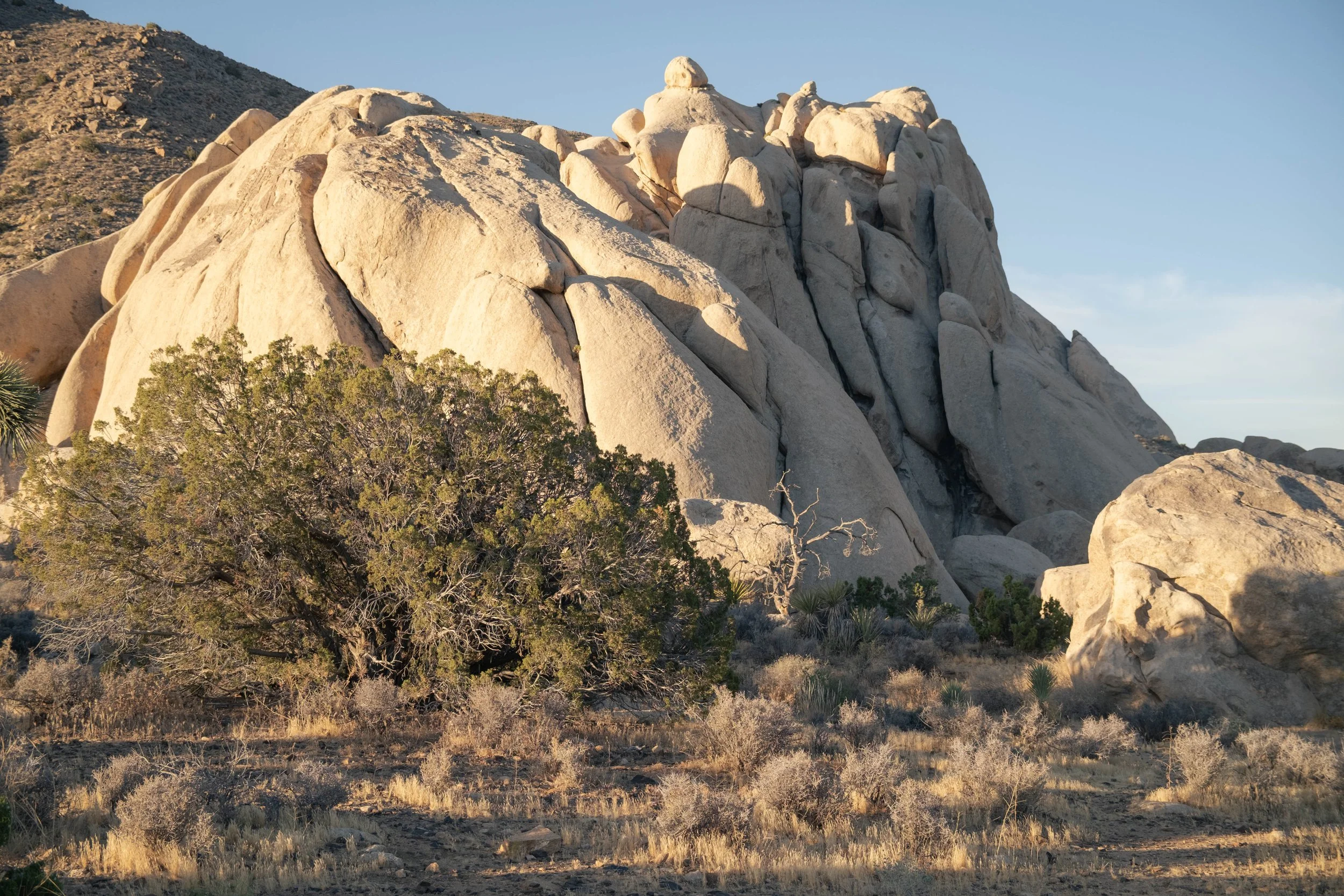
Arriving at Jumbo Rocks after dark is an interesting introduction to the campground, particularly behind the wheel of a rental RV.
The campsite was surrounded by massive rock formations, their silhouettes rising against the night sky. Maneuvering into the parking space required some care, although one boulder may have received a gentle love tap from the vehicle.
It was a relatively minor introduction to the realities of traveling through the desert in a motorhome.
A short morning scramble offered an elevated perspective over the surrounding desert as the first sunlight reached the landscape.
What stood out wasn’t simply the view. It was the absence of noise.
The silence felt almost exaggerated, interrupted only by the occasional bird. In a national park that attracts visitors from around the world, the landscape seemed temporarily abandoned.
Breakfast Above The Desert
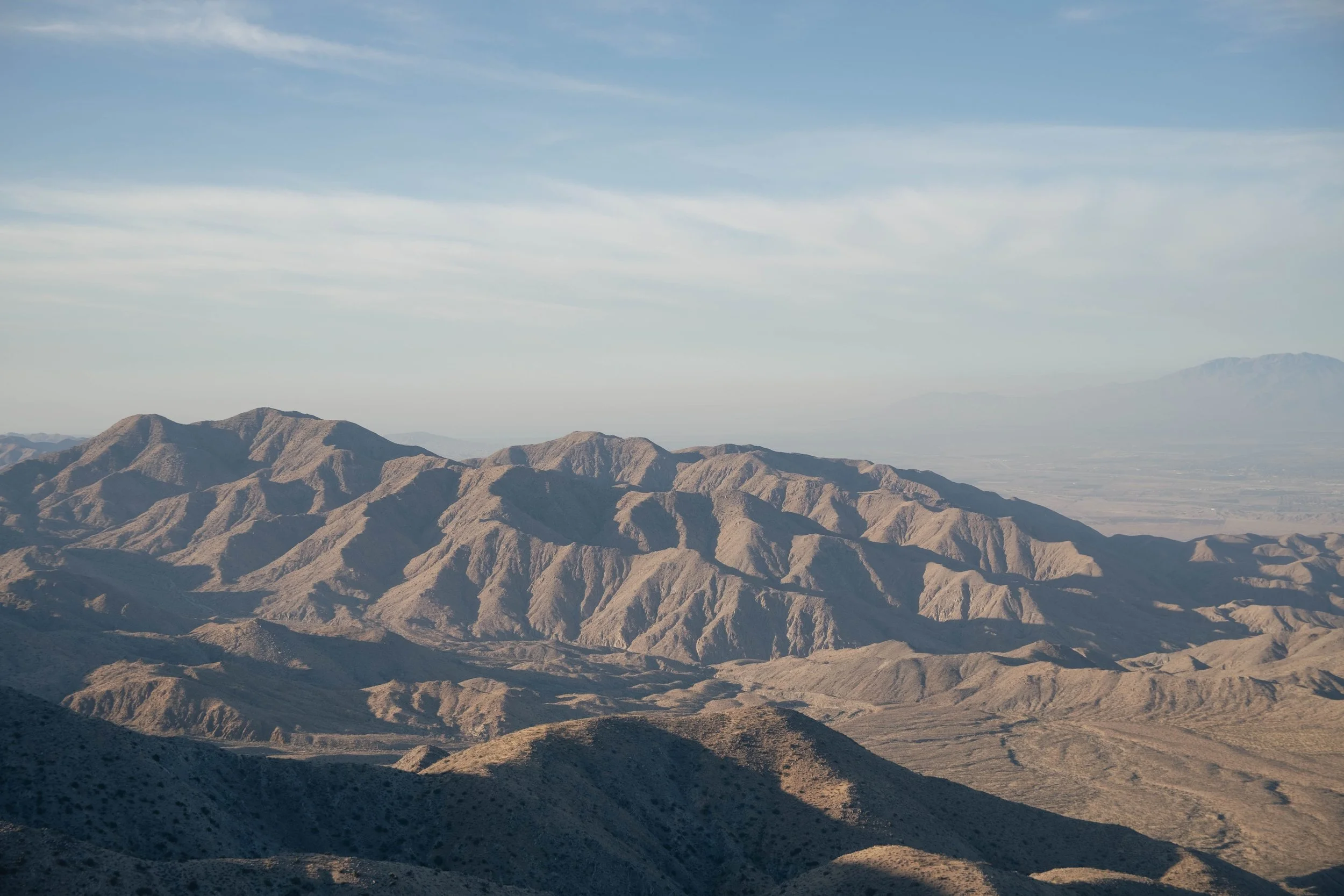
The next destination was Keys View, one of Joshua Tree’s best-known overlooks.
Perched above the Coachella Valley, the viewpoint offers an expansive perspective across Southern California’s desert geography. It is a popular destination for photographers, sightseeing visitors, and travelers looking for one of the park’s most accessible panoramic views.
Shortly after sunrise, the entire area was empty.
For more than an hour, not another visitor appeared.
The rental RV became an unlikely breakfast kitchen overlooking the valley. Food was prepared inside, with the surrounding landscape providing a view that no roadside diner could reasonably compete with.
There was no need to hurry.
No one was waiting for a parking space. No one was competing for a photograph. There was no conversation drifting across the overlook.
For more than an hour, one of Joshua Tree’s signature viewpoints offered something beyond scenery: complete solitude.
Why The Overnight Stay Matters
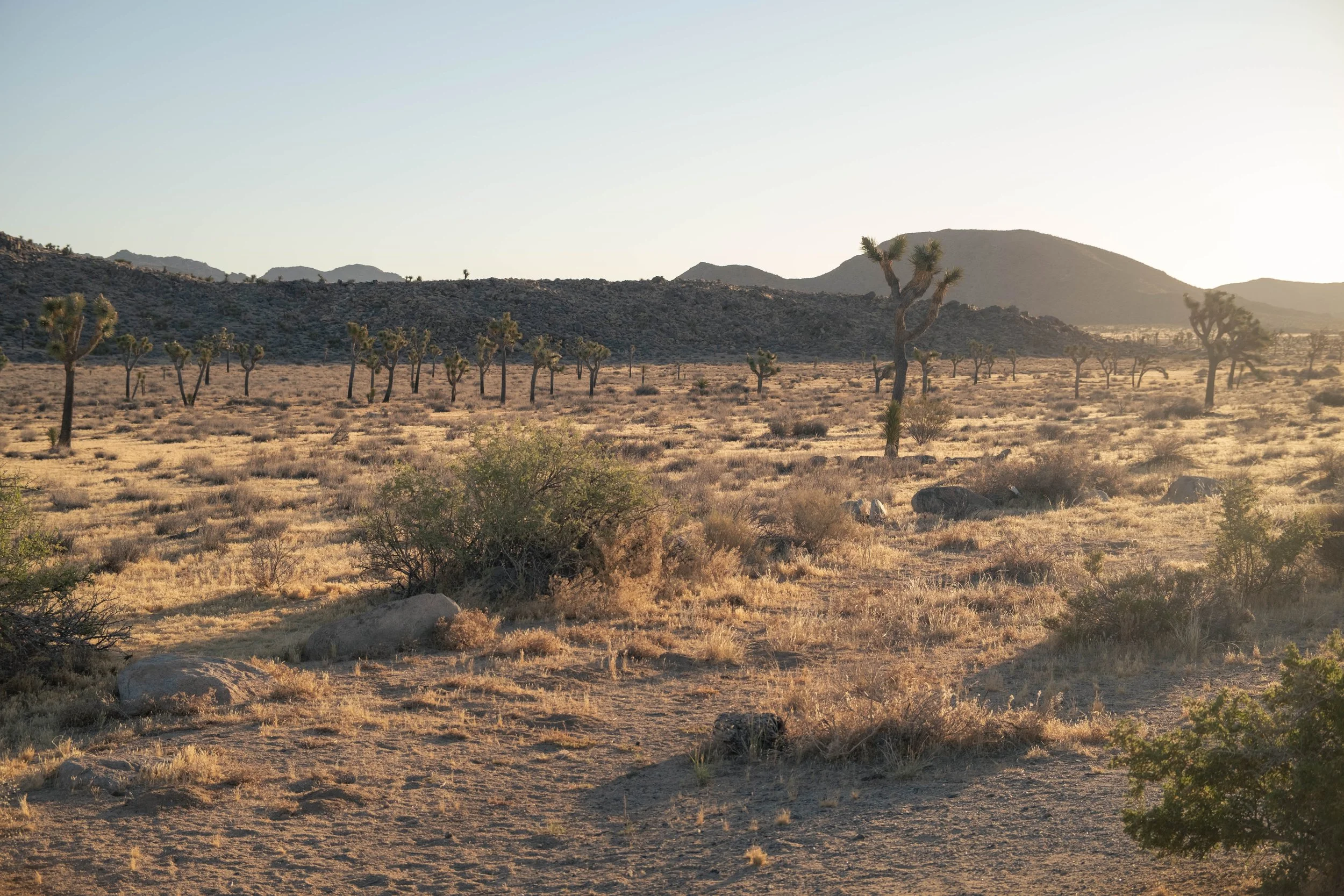
Joshua Tree can easily be approached as a checklist of attractions.
Visitors arrive, photograph the distinctive Joshua trees, stop at the rock formations, drive to Keys View, and continue toward their next destination.
That approach offers a reasonable introduction to the park, particularly for travelers with limited time. But it also means experiencing the landscape during the hours when most other visitors are doing exactly the same thing.
Spending the night inside the park changes the experience.
An early start no longer requires a drive from a nearby town. The desert is immediately outside the door, and visitors can take advantage of quieter hours without sacrificing time to transportation.
At Jumbo Rocks, the campground itself becomes part of the attraction.
The convenience comes with responsibilities, however. Desert camping requires preparation, sufficient water, attention to weather conditions, and understanding the facilities available at the chosen campground.
An RV can provide a comfortable base, but it does not eliminate the realities of a remote desert environment.
The Luxury Of Having Nowhere to Be

Some of the most memorable travel experiences are defined by extraordinary sights. Others are remembered for what was missing.
That morning at Keys View, the absence of other visitors became the defining feature.
There were hastily put-together breakfast burritos, a vast landscape, and an hour without interruption.
Eventually, the park would return to its usual rhythm. Vehicles would arrive, cameras would emerge, and the viewpoint would once again become a shared attraction.
But the experience offered a reminder that visiting a destination and spending time in it are not always the same thing.
Sometimes the greatest advantage isn’t reaching a famous viewpoint.
It’s arriving before anyone else.
Is Staying Inside Joshua Tree National Park Worth It?
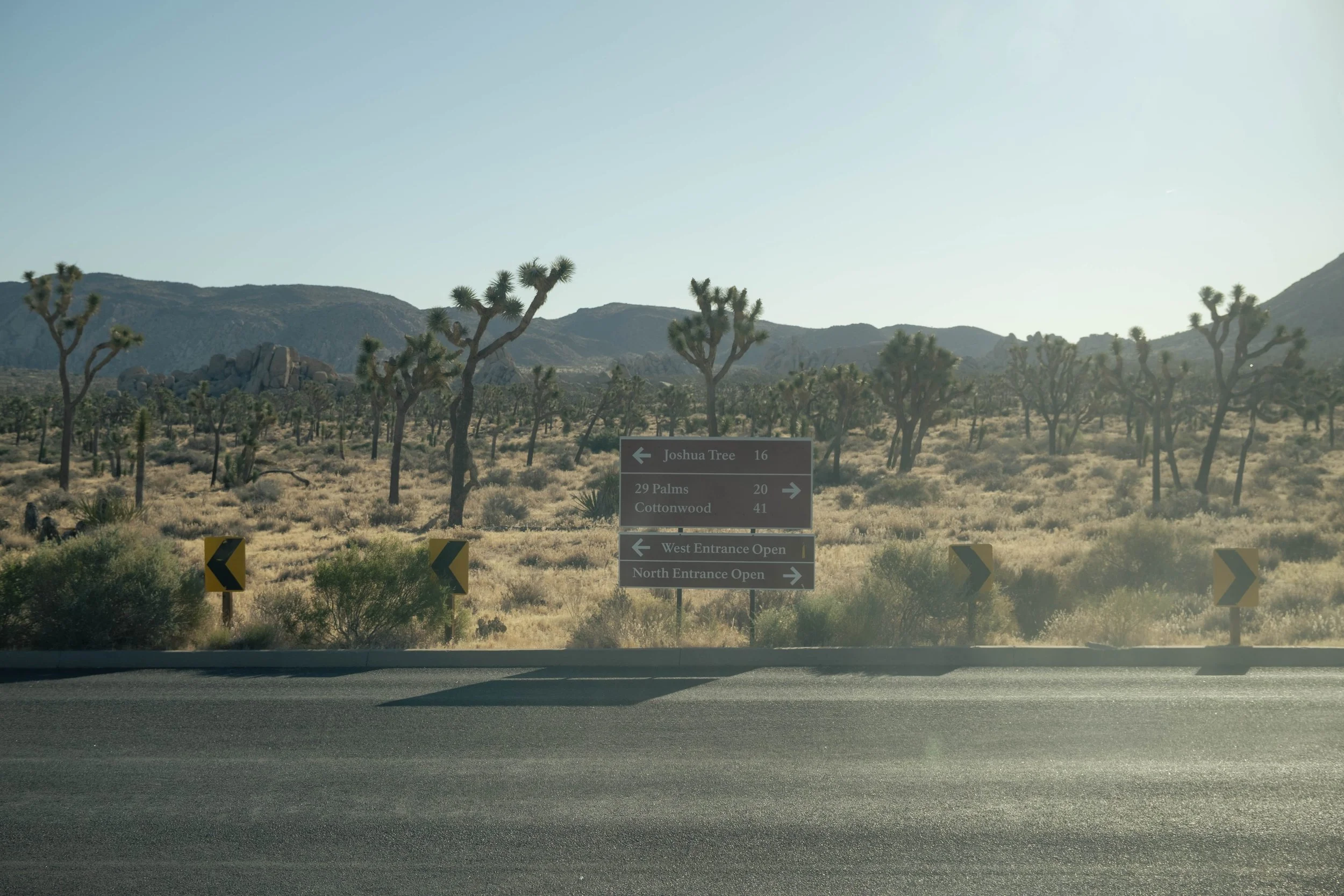
For travelers hoping to experience Joshua Tree beyond the usual parade of rental cars and crowded viewpoints, spending the night inside the park is absolutely worth considering.
Jumbo Rocks Campground puts visitors among the park's extraordinary granite formations, with opportunities to explore the surrounding landscape before most day visitors arrive.
The real advantage, however, is time. There's no early-morning commute from a nearby hotel, no entrance-road traffic to negotiate, and no need to rush through breakfast to beat the crowds.
An overnight stay doesn't guarantee solitude, but it certainly improves the odds.
And after enjoying Keys View completely alone for more than an hour, it's difficult to argue against the arrangement.